
Ceiling fans are not just for cooling down a room in summer; they also play a vital role in maintaining comfort and energy efficiency throughout the year. One key feature of ceiling fans is their ability to reverse direction. This article will explore the benefits of reversing a ceiling fan, how to change its rotation, and practical tips for energy-efficient usage.
Why Reverse Your Ceiling Fan?
Reversing the direction of ceiling fan offers several advantages, regardless of the season. By understanding the benefits, you can optimize your fan's performance and create a more comfortable living environment while saving on energy costs.
Winter Ceiling Fan Rotation
During winter, reversing the ceiling fan's direction is crucial for maximizing comfort and reducing heating expenses. The recommended ceiling fan rotation in winter helps distribute warm air more evenly throughout the room, preventing it from collecting near the ceiling.
How to Reverse the Direction of a Ceiling Fan
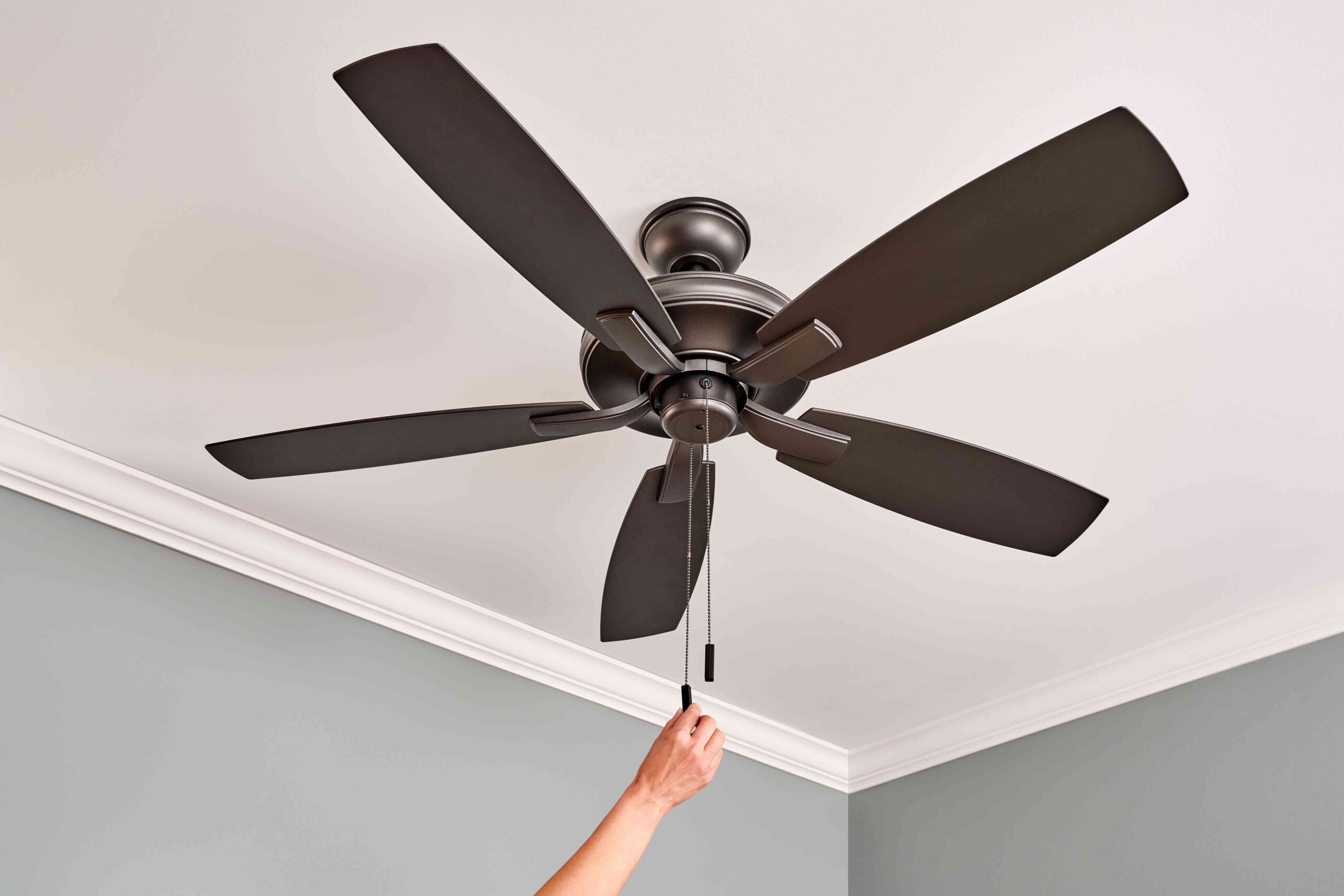
To reverse or change the direction of a ceiling fan, follow these simple steps:
1. Locate the Fan's Direction Switch
Look for a small switch, often located on the motor housing or the base of the fan blades.
2. Please Turn Off the Fan and Wait for It to Stop Completely
Ensure the fan is turned off and allow it to come to a complete stop.
3. Flip the Direction Switch
Use a ladder or step stool to access the switch and flip it to the opposite position.
4. Turn the Fan Back On and Adjust the Speed, if Desired
Once the direction switch is flipped, turn the fan around using the appropriate control and adjust the speed settings to your preference.
Summer Ceiling Fan Rotation
When the weather gets hot, your ceiling fan can be helpful to keep you cool and reduce reliance on air conditioning. Understanding the best ceiling fan rotation for summer is essential to maximize its cooling effect and promote proper air circulation.
Energy Efficiency and Cost Savings
Reversing the direction of your ceiling fan contributes to energy efficiency, resulting in potential cost savings on heating and cooling bills. Learn how this simple change can significantly impact your energy consumption and explore additional tips for optimizing your fan's efficiency.
Pros
- Reduces the load on AC in summer and heaters in winter, potentially cutting energy bills.
- Keeps air from becoming stagnant.
- Less stress on heating and cooling appliances.
Cons
- Constant air movement can blow dust and allergens around.
- People sometimes forget to reverse the direction seasonally.
Common Mistakes to Avoid
Many people make errors when reversing their ceiling fans. One frequent mistake is failing to turn off the fan before switching the direction. Always ensure the blades have come to a complete stop to avoid damage to the motor.
Another common issue is misidentifying the switch. Not all fans have a clear indicator for direction. Check your fan's manual for guidance on locating this control to avoid frustration.
Finally, users often forget to adjust the fan speed after changing the rotation. This oversight can lead to inefficient airflow and inadequate cooling or heating scenarios.
Maintenance Tips for Ceiling Fans
Regular maintenance can keep your ceiling fan running smoothly throughout the year. Start by dusting the blades every few weeks to prevent buildup. A microfiber cloth works well for this task and helps maintain the fan's performance.
Every six months, inspect the fan's mounting bracket and the direction switch. Loose screws can cause wobbling or noise, which may indicate deeper mechanical issues.
If possible, clean the fan motor using compressed air. This helps remove dust from hard-to-reach areas. Over time, dust can accumulate and reduce efficiency.
Consider scheduling a professional check-up annually to extend the lifespan of your ceiling fan. This proactive approach can save money on future repairs.
Who Benefits Most from Reversing Ceiling Fans?
Families living in areas with extreme weather shifts can benefit significantly from reversing ceiling fans. For instance, households in regions with hot summers and cold winters can optimize their comfort year-round.
Energy-conscious individuals will also find value in this feature. By adjusting your ceiling fan's direction alongside your heating and cooling systems, you can reduce reliance on air conditioning and heating.
Finally, those with home offices or remote workspaces often appreciate the improved airflow, enhancing focus and productivity. This simple adjustment helps create a comfortable work environment, making your space more enjoyable.
Conclusion
Reversing a ceiling fan is a simple yet effective way to enhance comfort, promote better air circulation, and save energy costs. By understanding the benefits of changing the fan's direction and following the recommended rotations for different seasons, you can make the most of your ceiling fan and enjoy a comfortable living environment throughout the year.