

Noise pollution is a common challenge in industrial facilities, leading to decreased productivity and increased stress levels among workers. This article will explore the importance of noise reduction and how industrial fans can effectively mitigate noise in such environments.
The Importance of Noise Reduction in Industrial Facilities
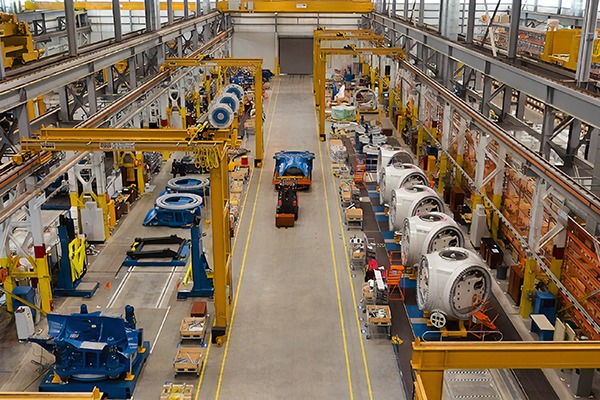
1. Worker Well-Being
Excessive noise can cause hearing damage and other health issues among employees. Creating a safe and comfortable work environment by reducing noise levels is crucial.
2. Compliance with Regulations
Many countries have specific noise regulations that industrial facilities must adhere to. Negligence to comply can lead to fines and lawful consequences.
3. Enhanced Productivity
Excessive noise can hinder concentration and communication, decreasing productivity. Implementing noise reduction measures can help create a more productive workspace.
How Industrial Fans Help Reduce Noise
A. Proper Fan Selection
- Choose industrial fans specifically designed for noise reduction, such as low-noise centrifugal or axial fans with noise-damping features.
- Consider the required airflow and pressure levels while selecting fans to ensure optimal noise reduction.
B. Fan Placement and Orientation
- Position the fans strategically to minimize noise propagation to sensitive areas.
- Place fans away from workers or install sound barriers to create a buffer zone.
- Orient fans to direct airflow away from noise-sensitive areas or reflective surfaces.
C. Noise Attenuation Features
- Look for fans with built-in noise attenuation features, such as acoustic enclosures or silencers.
- Acoustic enclosures reduce noise by enclosing the fan and minimizing sound transmission.
- Silencers are installed on the intake or exhaust side of the fan to reduce noise levels effectively.
D. Maintenance and Regular Inspections
- Ensure regular maintenance and inspections of industrial fans to promptly identify and address any noise-related issues.
- Clean fan blades, tighten loose components and lubricate moving parts to minimize vibrations and associated noise.
- Monitor fan performance and conduct noise measurements periodically to ensure noise levels remain within acceptable limits.
Benefits of Using Industrial Fans for Noise Control
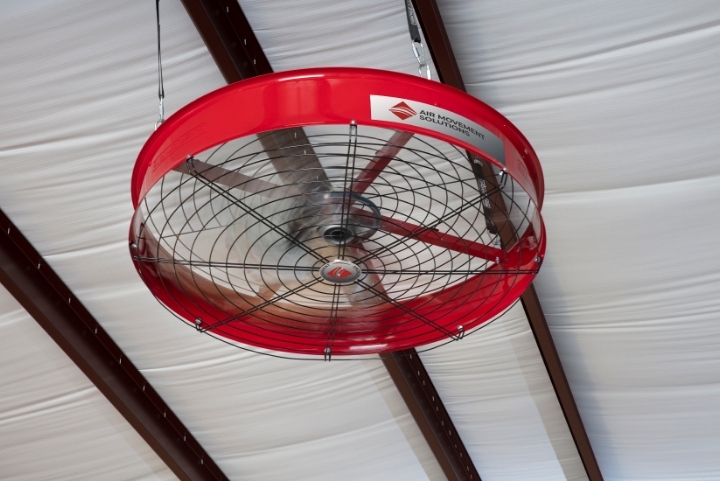
1. Effective Noise Reduction
Industrial fans with noise attenuation features significantly reduce noise levels, creating a quieter and more comfortable work environment for employees.
2. Improved Worker Productivity
By reducing noise distractions, industrial fans enhance concentration, communication, and overall productivity among workers.
3. Compliance with Regulations
Utilizing industrial fans for noise control helps industrial facilities meet noise regulations and standards, ensuring legal compliance and avoiding penalties.
4. Cost-effective Solution
Industrial fans offer a cost-effective approach to noise reduction compared to other complex and expensive noise control measures.
5. Versatility and Scalability
Industrial fans can be tailored to different facility sizes and requirements, making them suitable for various industrial applications.
6. Enhanced Ventilation and Air Circulation
Industrial fans reduce noise and promote better air circulation, improving indoor air quality and maintaining a comfortable temperature.
Pros
- Helps cover loud machinery noise with steady airflow.
- Complements other acoustic treatments in the facility.
- More affordable than complex soundproofing systems.
- Creates a more consistent and tolerable sound environment.
Cons
- Some fans can be loud and add to the noise problem.
- Continuous operation increases power usage and costs.
Common Mistakes in Industrial Fan Installation
One of the most frequent errors is underestimating the fan size. Selecting a fan that is too small may not effectively reduce noise levels or provide adequate ventilation. Always calculate the required airflow to meet the facility's unique needs.
Another common mistake is improper placement. Positioning the fan too close to walls or other obstructions can amplify noise due to reflections. Consider leaving ample space around the fan to aid in effective sound dispersion.
Additionally, neglecting noise attenuation features during selection can lead to missed opportunities for sound reduction. Always opt for fans that include sound-dampening characteristics when necessary.
Cost Considerations for Noise Reduction Solutions
The initial purchase price of industrial fans can vary significantly based on size, model, and features. On average, you might spend between $1,000 to $10,000 depending on the fan type you choose. However, factor in installation costs, which can add up another 20-30% to your budget.
Operating costs also play a crucial role. Energy-efficient models may cost more initially but can save you on electricity bills in the long run. This is particularly important as operational noise levels are reduced while air circulation improves.
Maintenance costs should not be overlooked. Regular upkeep may require a small budget set aside for repairs and inspections, typically around 5-10% of the fan's purchase cost annually.
Conclusion
Industrial facilities must prioritize noise reduction to create a securer and more productive work environment. Industrial fans play a crucial role in effectively reducing noise levels by implementing proper fan selection, placement, and maintenance techniques. Using industrial fans ensures compliance with regulations and offers numerous benefits, including improved worker well-being, enhanced productivity, and cost-effective noise control solutions.