
Aerodynamic fan blades can boost airflow efficiency by up to 20% compared to traditional fan blades, making them the best option for ventilation systems. Their specialized design reduces turbulence and noise, further enhancing performance. Opting for aerodynamic blades not only improves cooling and air circulation but also leads to significant energy savings and quieter operation.
While traditional fan blades have been used for decades, advances in engineering and fluid dynamics have led to the development of aerodynamic blade designs that promise better airflow, improved energy efficiency, and quieter operation. Understanding the differences between these two types of blades can help homeowners, businesses, and manufacturers make informed purchasing decisions.
This article explores the characteristics, advantages, disadvantages, and applications of aerodynamic and traditional fan blades, helping you determine which option best suits your needs.
What Are Traditional Fan Blades?
Traditional fan blades are the conventional blade designs found in many ceiling fans, pedestal fans, exhaust fans, and industrial fans. These blades are generally flat or only slightly curved and rely on basic airflow principles to move air from one location to another.
Traditional blade designs have remained popular because they are simple to manufacture, cost-effective, and reliable. Although they perform well in many everyday situations, they may not offer the same level of efficiency as modern aerodynamic designs.
Characteristics of Traditional Fan Blades
- Flat or slightly curved blade profile
- Simple manufacturing process
- Lower production costs
- Available in various materials such as plastic, aluminum, steel, and wood
- Suitable for standard cooling and ventilation applications
What Are Aerodynamic Fan Blades?
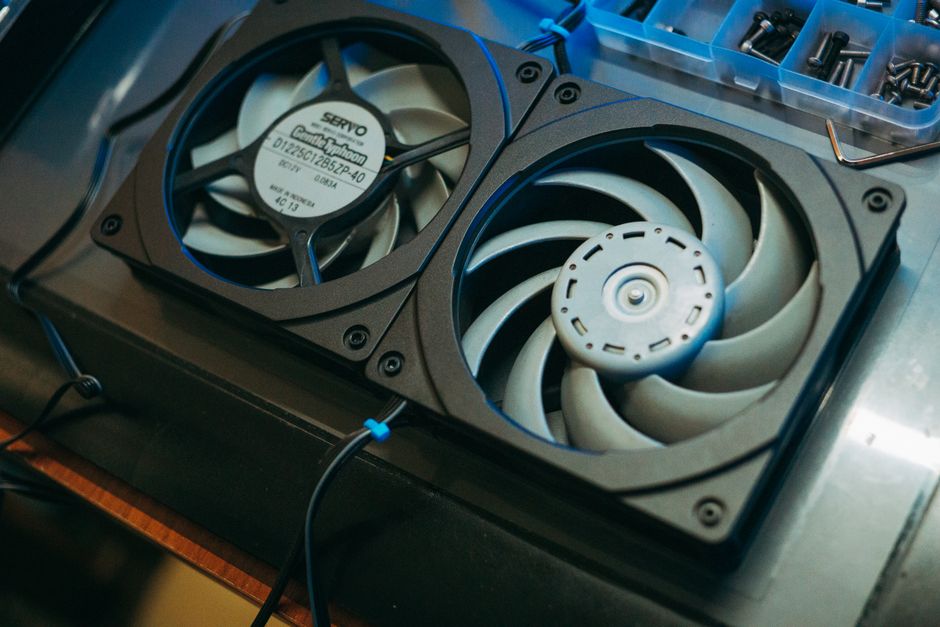
Aerodynamic fan blades are specifically engineered using airflow analysis and fluid dynamics principles. Instead of having a flat surface, these blades feature carefully designed curves, tapered edges, and optimized angles that reduce air resistance while increasing airflow.
Engineers often use computer simulations and wind tunnel testing to develop blade shapes that maximize efficiency while minimizing turbulence.
Aerodynamic blades are commonly found in premium ceiling fans, industrial ventilation systems, HVAC equipment, cooling towers, and high-performance ventilation systems.
Characteristics of Aerodynamic Fan Blades
- Curved airfoil-like profile
- Optimized blade angle
- Reduced drag
- Improved airflow efficiency
- Lower energy consumption
- Quieter operation
How Fan Blade Design Affects Performance
The shape of a fan blade determines how efficiently it moves air. As the blades rotate, they create pressure differences that force air to flow.
Traditional blades generate airflow effectively but often create more turbulence. This turbulence results in energy loss and increased noise.
Aerodynamic blades, however, allow air to move more smoothly across the blade surface. The reduced turbulence improves airflow while requiring less motor power.
Airflow Efficiency Comparison
One of the biggest differences between aerodynamic and traditional fan blades is airflow efficiency.
Traditional blades often need higher rotational speeds to produce the desired airflow. As a result, the motor consumes more energy.
Aerodynamic blades produce greater airflow even at lower speeds because their optimized shape reduces resistance and improves lift.
Aerodynamic Fan Blades
- Higher airflow output
- Better air distribution
- Improved circulation
- Reduced turbulence
Traditional Fan Blades
- Moderate airflow
- Less efficient air movement
- Greater turbulence
- Often require higher speeds
Energy Efficiency
Energy efficiency has become increasingly important due to rising electricity costs and environmental concerns.
Aerodynamic blades are designed to move more air using less power. Since the motor encounters less resistance, it requires less energy to rotate the blades.
Traditional blades often demand more power to achieve similar airflow levels.
Aerodynamic Blade Benefits
- Lower electricity bills
- Reduced motor load
- Improved efficiency
- Longer operational life
Traditional Blade Limitations
- Higher power consumption
- Increased operating costs
- Greater mechanical strain
Noise Levels
Noise is another major factor when selecting a fan.
Traditional blades often generate more air turbulence, which increases noise during operation.
Aerodynamic blades create smoother airflow, reducing the amount of air disturbance and making the fan noticeably quieter.
This is particularly beneficial in:
- Bedrooms
- Offices
- Hospitals
- Libraries
- Conference rooms
Cooling Performance
The effectiveness of a fan depends on how well it circulates air.
Aerodynamic blades distribute air more evenly throughout the room. Their optimized design helps eliminate dead zones where airflow is weak.
Traditional blades can still provide effective cooling but may require higher speeds to match the airflow produced by aerodynamic designs.
Durability
Both blade types can be highly durable depending on the materials used.
Common materials include:
- Aluminum
- Stainless steel
- Reinforced plastic
- Composite materials
- Wood
Aerodynamic blades often use advanced composite materials that improve strength while reducing weight.
Traditional blades remain durable but may be heavier depending on their construction.
Manufacturing Complexity
Traditional blades are relatively easy to manufacture.
Their simple geometry allows manufacturers to produce them quickly and at lower costs.
Aerodynamic blades require:
- Precision engineering
- Computer modeling
- Advanced manufacturing
- Strict quality control
These additional processes increase production costs but also improve performance.
Cost Comparison
Price is one of the primary considerations for buyers.
Traditional fans are generally more affordable because of their simple blade design and lower manufacturing costs.
Aerodynamic fans usually have higher upfront costs due to advanced engineering and premium materials.
However, the long-term savings in energy consumption often offset the initial investment.
Maintenance Requirements
Both blade types require routine maintenance.
Recommended maintenance includes:
- Dust removal
- Blade inspection
- Motor lubrication (if applicable)
- Fastener tightening
- Balance checks
Aerodynamic blades often accumulate slightly less dust because smoother airflow reduces particle buildup, though regular cleaning is still necessary.
Environmental Impact
Energy-efficient products contribute to lower carbon emissions.
Since aerodynamic blades consume less electricity, they reduce environmental impact over time.
Benefits include:
- Lower energy demand
- Reduced greenhouse gas emissions
- Improved sustainability
- Longer equipment lifespan
Traditional blades may consume more electricity over years of operation.
Applications of Traditional Fan Blades
Traditional fan blades remain suitable for numerous applications, including:
- Residential ceiling fans
- Pedestal fans
- Table fans
- Small exhaust fans
- Basic ventilation systems
- Budget-friendly installations
Applications of Aerodynamic Fan Blades
Aerodynamic fan blades are ideal for:
- Premium ceiling fans
- Industrial ventilation
- HVAC systems
- Warehouses
- Manufacturing facilities
- Commercial buildings
- Data centers
- Agricultural ventilation
- High-efficiency cooling systems
Advantages of Aerodynamic Fan Blades
1. Higher Airflow
Their optimized design moves more air with less effort.
2. Energy Savings
Reduced motor load lowers electricity consumption.
3. Quiet Operation
Less turbulence means significantly quieter performance.
4. Better Air Distribution
Air reaches more areas evenly.
5. Reduced Wear on Motors
Lower resistance decreases mechanical stress.
6. Modern Appearance
Many aerodynamic fans feature sleek, contemporary designs that complement modern interiors.
Disadvantages of Aerodynamic Fan Blades
- Higher purchase price
- More complex manufacturing
- Premium replacement parts may cost more
- Advanced designs may not be necessary for basic household use
Advantages of Traditional Fan Blades
Affordable
Lower manufacturing costs make them budget-friendly.
Easy Availability
Widely available in many sizes and styles.
Simple Repairs
Replacement blades and spare parts are easy to find.
Reliable Performance
Suitable for standard cooling applications.
Disadvantages of Traditional Fan Blades
- Lower energy efficiency
- Higher operating noise
- More turbulence
- Greater electricity consumption
- Less optimized airflow
Side-by-Side Comparison
| Feature | Aerodynamic Fan Blades | Traditional Fan Blades |
|---|---|---|
| Airflow | Excellent | Good |
| Energy Efficiency | High | Moderate |
| Noise Level | Low | Higher |
| Cost | Higher | Lower |
| Air Distribution | Excellent | Average |
| Motor Load | Lower | Higher |
| Maintenance | Low to Moderate | Moderate |
| Design | Advanced | Basic |
| Lifespan | Long | Long |
| Best Use | Premium and industrial applications | General household use |
Which One Should You Choose?
The right choice depends on your priorities.
Choose aerodynamic fan blades if you want:
- Maximum airflow
- Lower electricity bills
- Quiet operation
- Modern technology
- Long-term energy savings
- Better indoor comfort
Choose traditional fan blades if you want:
- Lower upfront cost
- Basic cooling performance
- Easy replacement parts
- Reliable everyday operation
- Budget-friendly solutions
Future Trends in Fan Blade Design
Advancements in computational fluid dynamics (CFD), lightweight composite materials, and smart manufacturing continue to improve fan blade technology. Future aerodynamic blades are expected to become even more efficient, quieter, and environmentally friendly.
Manufacturers are also integrating aerodynamic designs with smart fans that automatically adjust speed based on room temperature, occupancy, and air quality. As energy efficiency standards become more stringent, aerodynamic blade technology is likely to become the industry standard for many residential and commercial applications.
Conclusion
Both aerodynamic and traditional fan blades serve important purposes, but they are designed with different priorities in mind. Traditional fan blades offer dependable performance, affordability, and simplicity, making them a practical choice for everyday use. Aerodynamic fan blades, on the other hand, represent a more advanced solution by delivering superior airflow, lower energy consumption, quieter operation, and enhanced overall efficiency.
Although aerodynamic fans often require a higher initial investment, their long-term benefits including reduced electricity costs, improved comfort, and extended motor life can make them a worthwhile option for many users. Ultimately, the best choice depends on your budget, performance expectations, and intended application.
By understanding the strengths and limitations of each design, you can select a fan that provides the right balance of cost, efficiency, and comfort for your home or workplace.