
To maximize comfort, reverse your ceiling fan's direction clock-wise during winter to circulate warm air and counter-clockwise in summer for a cooling breeze. A simple switch adjustment can enhance your home's climate control year-round, ensuring a cozy environment. Understanding this simple mechanism truly transforms your comfort experience!
For years, I overlooked the features of my ceiling fan. I never realized how much of a difference reversing it made until I tried it last winter! With that discovery came enhanced warmth and energy efficiency. Let me walk you through the simple steps to reverse a ceiling fan and maximize your comfort throughout the year.
Understanding Ceiling Fan Direction
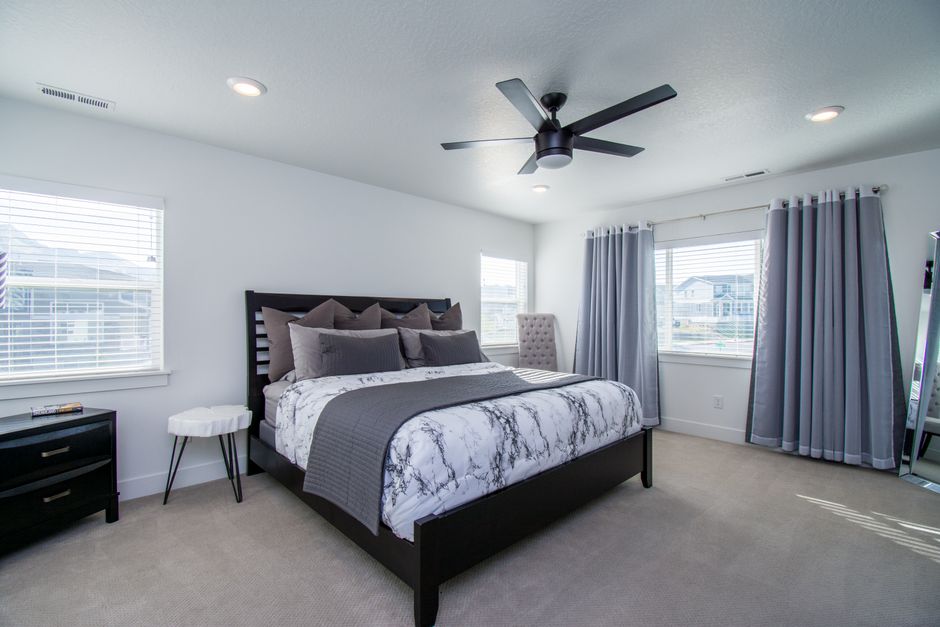
Ceiling fans have a versatile ability to change the airflow direction, making them useful in various seasons. In winter, when the air rises, a reverse setting pushes warm air down towards the living space. This helps distribute the warmth from your heating system evenly without straining your HVAC system.
On the flip side, during summer, you want your ceiling fan blades to rotate in the opposite direction. This creates a wind-chill effect that makes the room feel cooler without lowering the thermostat setting. I found that simply switching directions noticeably impacts how comfortable I feel in my home during different seasons.
How to Reverse Your Ceiling Fan
Reversing a ceiling fan is both simple and quick. First, locate the reverse switch on your fan; this can typically be found on the fan’s motor. Many modern fans have a remote control that includes this feature. If your fan is older, it may have a pull chain or a switch on the motor itself.
Simply switch the direction, and then start the fan. You should immediately notice the change in airflow. To truly appreciate how effective this adjustment can be, make a note of how the room feels before and after the switch. Sometimes, I forget to change the direction as seasons change, and I can definitely feel the difference in comfort.
Benefits of Reversing Your Ceiling Fan in Winter
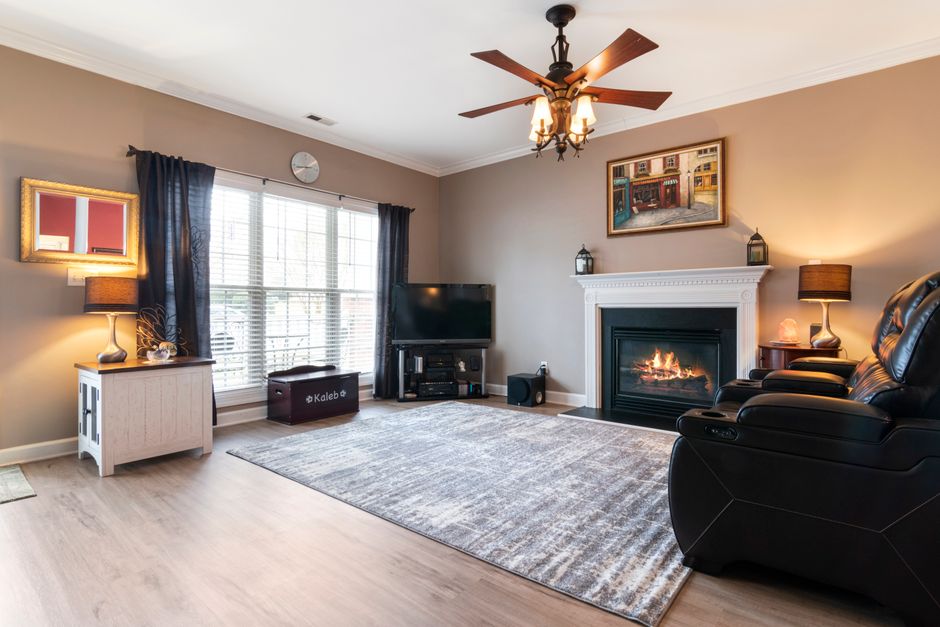
When I first reversed my ceiling fan in winter, it felt like I had a brand new heating source. The warm air that typically gathers near the ceiling is pushed back down, where I actually need it. This simple adjustment effectively elevates overall room temperature without overworking the heating system, leading to significant energy savings.
Many people find embracing the power of fan airflow direction is a cost-efficient way to enhance their winter home comfort. By allowing the ceiling fan to circulate heat, I noticed a reduction in my energy bills. If you’re also dealing with energy efficiency issues this winter, I have a detailed guide on how ceiling fans help in winter here: Ceiling Fans in Winter: Warmer Rooms, Lower Bills.
Best Practices for Ceiling Fan Settings
Aside from reversing the fan, familiarity with ceiling fan settings can enhance your comfort further. I often find myself adjusting speed settings based on the temperature. For a cooling effect in summer, I recommend using the highest speed setting. However, during the winter months, a medium or low setting works best to circulate warm air gently.
Additionally, ensure your ceiling fan blades are clean and free of dust. I noticed that even a slightly dusty blade can diminish performance and airflow efficiency. Regular maintenance not only prolongs your fan’s lifespan but can also improve its effectiveness in warming or cooling your space.
How Long Does It Take to Change the Fan Direction?
Changing the direction of your ceiling fan usually takes just a minute or two. For most fans, accessing the switch is quite straightforward, and I recommend doing this during your regular home maintenance checks. By making it a habit, you won’t forget to adjust it with the changing seasons.
Conclusion
Reversing a ceiling fan is a quick yet highly effective way to improve your home’s comfort year-round. Whether you need to maximize warmth in winter or enhance cooling in summer, these adjustments can have noticeable results. Don’t underestimate the impact of your ceiling fan’s direction and settings — they may just become your favorite tool in maintaining a cozy home.
FAQ Section
How do I know if my ceiling fan has a reverse function?
Look for a switch on the fan’s motor or a remote control option. If you have a pull chain, one of the chains typically controls this function.
Can reversing the ceiling fan actually lower my heating bills?
Yes, many people notice reduced heating costs when they reverse their ceiling fan to circulate warm air effectively throughout the room.
Is it safe to run my ceiling fan in winter?
Absolutely! Running your ceiling fan in winter helps distribute heat more evenly and can enhance comfort without making the room feel drafty.
How often should I change the direction of my ceiling fan?
Adjust your ceiling fan’s direction with the change of seasons: counter-clockwise for summer and clockwise for winter. It’s a good idea to do this when you change your HVAC filters or perform regular home maintenance.