
You should replace your ceiling fan when it shows signs of wear and tear after five to ten years, as this can lead to reduced efficiency and increased energy bills. Addressing issues early, like wobbling or inadequate airflow, can enhance your home's comfort and save you from costly repairs. Recognizing these key indicators will help ensure your space remains pleasant and energy-efficient.
When should you replace your ceiling fan? Look for specific signs like excessive wobbling, odd noises from the motor, or reduced airflow. Addressing these issues promptly can enhance comfort and energy efficiency in your home.
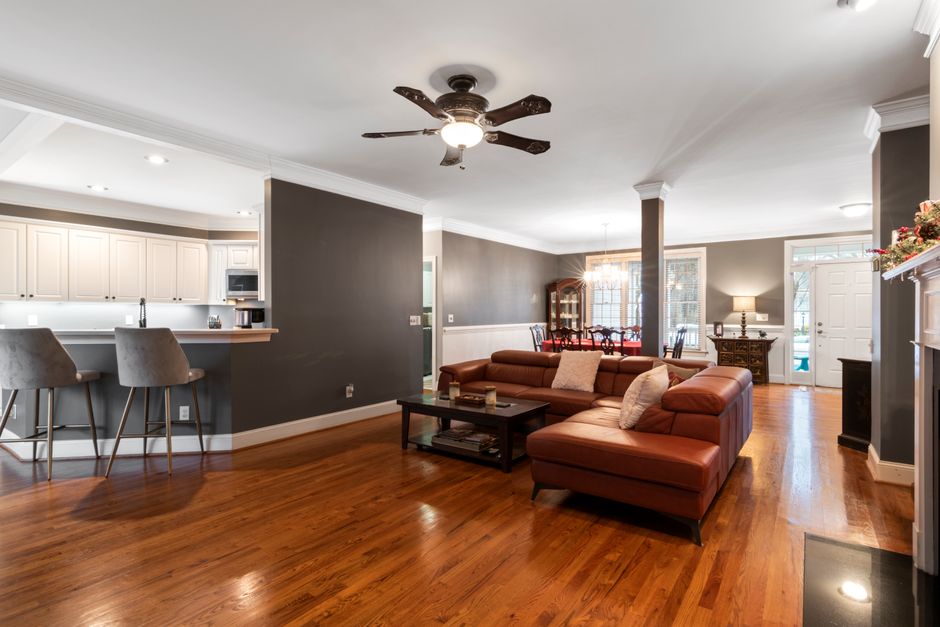
Key Indicators Your Ceiling Fan Needs Replacement
If you’re unsure whether your ceiling fan has reached the end of its life, here are some telltale signs. One primary indicator is excessive wobbling. If your fan wobbles consistently, this may indicate damaged or misaligned blades and mounting brackets, which often lead to further issues.
Another factor to consider is the sound of the fan. While it’s normal for a fan to create some noise, loud grinding, squeaking, or rattling are indications that the motor is failing or that parts are coming loose. Ignoring these sounds can result in more significant problems down the line.
Lastly, evaluate the airflow. A functioning fan should evenly distribute air. If certain areas remain too warm while others are cool, the fan may need replacement. An upgrade might also enhance energy efficiency, as older fans may fail to meet modern energy standards.
Energy Efficiency in Ceiling Fans
The energy efficiency of your ceiling fan is crucial. Older models, especially those manufactured before energy-efficient technology became standard, can consume significantly more electricity. If your fan is over ten years old, it likely doesn’t comply with today’s efficiency regulations.
Switching to a new ceiling fan could save you money on utility bills. Many contemporary models feature efficient motors and blade designs, allowing for better air circulation while using less electricity. If you’re replacing a fan made in 2005 or earlier, you could potentially reduce energy usage by up to 50%.
Benefits of Upgrading Your Ceiling Fan
Replacing your ceiling fan offers benefits beyond improved performance. Modern fans often incorporate useful features such as remote controlsintegrated lighting options, and energy-saving settings that enhance convenience and efficiency. Some models even allow for both ceiling and wall mounting, offering flexible installation options.
If you intend to stay in your home for several years, investing in a high-quality, energy-efficient fan is a wise move. With a lifespan exceeding ten years, new technology can ensure continued comfort and increased property value. Be sure to review the warranty; many manufacturers provide extensive coverage, with some offering lifetime motor guarantees.

Should You DIY or Hire a Professional for Replacement?
When it’s time to replace your ceiling fan, deciding whether to do it yourself or hire a professional can be challenging. If you have basic electrical skills and are comfortable following instructions, replacing your ceiling fan can be a manageable DIY project. Most models come with clear instructions, and online videos can provide additional assistance.
However, if you’re unsure about electrical wiring or if the old fan has a complex mounting setup, it’s best to contact a professional. An electrician can guarantee safe installation and help you select a fan suited to your space.
Essential Considerations Before Buying a New Ceiling Fan
Before making a purchase, take several vital factors into account. First, measure the installation area. A fan with a blade span between 44 to 54 inches generally suits most standard rooms. Using an undersized fan in a large room will compromise airflow, while using an oversized fan in a small space can be overwhelming.
Also, consider which features are most important, such as light kitsremote controls, or compatibility with smart home systems. If you’re dealing with lighting issues as well, check my detailed guide here: How to Fix a Ceiling Fan Light. Evaluating these features can significantly improve your overall experience.
Don’t Delay: Upgrade Your Ceiling Fan Now
When pondering the best time to replace your ceiling fan, it’s essential to take action. If you see signs of wobbling, unusual noises, or airflow problems, don’t hesitate. Putting off the replacement can lead to discomfort, higher energy bills, and safety risks. Investing in a new, energy-efficient ceiling fan can save you money and enhance your home’s comfort.
In my view, the best approach is to proactively invest in a quality fan before your old one fails completely. Make an informed decision to enjoy the benefits of a reliable and efficient ceiling fan.
Frequently Asked Questions
What are the signs my ceiling fan needs replacing?
Signs that your ceiling fan may need replacing include persistent wobbling, decreased airflow, unusual noises, or visible damage like cracks in the blades or motor housing. If the fan is more than 10 years old and these issues arise, it's likely time for a replacement.
Why is my ceiling fan wobbling?
A ceiling fan may wobble due to improper installation, unbalanced blades, or wear and tear. Ensure all blades are securely attached and check for any debris or warping that could affect balance.
How long should a ceiling fan last?
On average, a ceiling fan should last about 10 to 15 years, depending on usage and maintenance. Regular cleaning and lubrication can extend its lifespan, while excessive wear can shorten it.
Can I replace a ceiling fan myself?
Yes, you can replace a ceiling fan yourself if you are comfortable with basic electrical work and have the right tools. Just ensure to follow the manufacturer's instructions and turn off the power supply before starting the installation.
Does a new ceiling fan improve energy efficiency?
A new ceiling fan can improve energy efficiency, especially if it is ENERGY STAR rated, as modern fans are designed to use less electricity than older models. Additionally, using a ceiling fan can help reduce heating and cooling costs by circulating air effectively. For more guidance on optimal usage, check energy-efficient tips on ceiling fans.