

A ceiling fan can help improve winter comfort by circulating warm air downward, potentially lowering heating costs by up to 15%. By reversing the fan's direction to clockwise, it redistributes heat trapped near the ceiling, creating a cozier atmosphere without over-relying on your heating system. This simple adjustment transforms the fan into an efficient tool for enhancing warmth during chilly evenings.
Why Ceiling Fans Work in Winter
One of the primary reasons ceiling fans are effective in winter is their ability to circulate warm air. Heat naturally rises and accumulates near the ceiling, leaving the lower areas of the room feeling considerably colder. By running your ceiling fan, you can push that warm air back down into the living space, creating a more consistent temperature throughout the room. I tested this method last winter, and honestly, it made a noticeable difference in my comfort level without cranking up the heat.
Not only does using a ceiling fan help in warming up the space, but it also allows you to reduce your thermostat setting slightly. For example, I found that lowering the thermostat by just two degrees while running my ceiling fan still kept me comfortable while saving on my energy bills. It’s a simple yet effective strategy that can lead to significant energy savings over time.
Setting Your Fan’s Direction for Winter
For ceiling fans to help in winter, it’s crucial to know how to set the fan’s direction. Most ceiling fans have a switch that allows you to reverse the blade direction. When you’re using it in the winter months, you’ll want to set the blades to rotate clockwise. In this position, the fan pulls cooler air upwards while pushing the warm air that’s gathered near the ceiling back down to the floor. This can help distribute heat more evenly across the room.
To change the direction, simply turn off the fan, locate the reverse switch (often found on the fan body or remote control if you have one), and turn it on again while adjusting it to the desired direction. I usually do this at the start of winter and then leave it be until spring. If you’re unsure about your fan’s settings, I have a helpful article on Different Ceiling Fan Speed Settings that explains it all.

Energy Savings with Ceiling Fans
Using ceiling fans in winter not only makes your home more comfortable but can also lead to remarkable energy savings. I’ve tracked my heating bills over the past two winters, and I noticed a consistent reduction of about 10-15% on average. With energy costs continually rising, finding ways to save is essential.
One surprising aspect is that not everyone realizes how effective ceiling fans can be in winter. Many people I’ve talked to mention hesitance in using them, thinking it won’t make much difference. However, as I’ve experienced, the warmth distributed from my ceiling fan often equals that of having the thermostat set a tad higher. How does a ceiling fan help in winter is a topic that deserves more attention.
Maximizing the Benefits
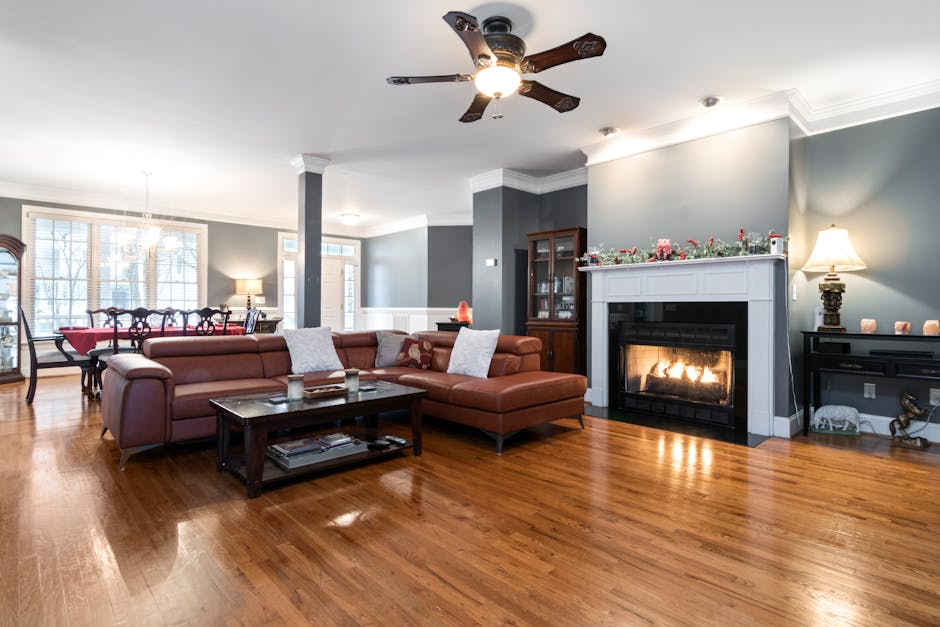
To gain the maximum benefit from your ceiling fan during the winter, consider combining its use with other heating strategies. For instance, if you have a fireplace, allowing the fan to circulate warm air from there can create a cozy corner in your living room. I often use my fan alongside my gas fireplace to keep the whole area warm without relying on the central heating system too much.
Additionally, make sure that your ceiling fan is clean. Dusty blades can disrupt airflow, minimizing the fan’s effectiveness in circulating warm air. I take some time to wipe down the blades every month to ensure they’re operating at peak performance.
How Often Should You Use Your Fan?
In my experience, you can use your ceiling fan as often as you’d like during winter while it’s set to reverse. For me, I generally keep mine on a low setting throughout the day. However, if I’m having guests over or we’re spending lots of time in a particular room, I crank it up a notch for improved circulation.
When overnighting, I sometimes switch it off while I sleep as it can create a slight breeze that might be disruptive if you’re a light sleeper. Ultimately, feel free to adjust your fan speed and running time based on your comfort and preferences.
Additional Tips for Comfort and Savings
- Insulate your windows and doors to retain heat better.
- Keep curtains open during sunny days to let natural warmth in.
- Consider using a programmable thermostat to optimize your heating schedule.
- Maintain consistent temperature settings to avoid frequent adjustments.
- Monitor your heating bills to notice trends and adjust usage accordingly.
To enhance your fan experience even more, you might be interested in checking out some top-rated options like reversible ceiling fans that ensure you can effectively control airflow for both summer and winter.
In conclusion, utilizing my ceiling fan in winter has been an absolute game-changer for me. With its ability to help circulate warm air, adjust my thermostat, and create more energy-efficient settings, I feel like I have better control over my home’s climate. Give it a try this winter; you might be surprised by how much difference it can make.
Frequently Asked Questions
Why use ceiling fans in winter?
Ceiling fans can help in winter by circulating warm air that rises to the ceiling, making the room feel warmer and more comfortable without having to increase the thermostat setting.
How to change ceiling fan direction for winter?
To change the ceiling fan direction for winter, locate the switch on the fan's motor housing and flip it to reverse the direction. The fan should rotate clockwise to push warm air downwards while drawing cooler air upwards.
Can ceiling fans help heat a room?
Ceiling fans do not directly heat a room, but they help distribute warm air more evenly, making it feel warmer and allowing you to lower the heating bill while maintaining comfort.
Does reversing a fan save energy in winter?
Reversing a fan can save energy in winter by reducing the need to turn up the heating. It helps to circulate warm air, resulting in a more evenly heated space.
Is it cheaper to use a ceiling fan than a heater?
Using a ceiling fan can be cheaper than running a heater since fans consume significantly less electricity, allowing you to save on heating costs while enhancing comfort.