
What ceiling fan is best for winter? The best choice is a fan with a reversible motor, which can lower your heating bills by 10 to 15% by pushing warm air downwards. Many homeowners mistakenly think ceiling fans are only for cooling; however, simple adjustments can significantly improve indoor air circulation and efficiently reduce energy costs during colder months.
The best ceiling fan for winter has a reverse setting to effectively circulate warm air throughout your living space. Understanding the benefits of using a ceiling fan in winter can make a sizable impact on both your comfort and expenses.

Maximize Your Winter Energy Savings with Ceiling Fans
Ceiling fans can significantly contribute to savings during winter. Warm air rises and sits near the ceiling, leaving cooler air at floor level. By reversing the fan’s direction, you can redisperse that warm air back down to where it’s needed most, enhancing your heating system’s efficiency.
Using a ceiling fan in winter can lead to a reduction in heating bills. One distinctive benefit is improved indoor air circulation, which helps eliminate cold spots and ensures even heat distribution throughout your space.
Adjust Your Ceiling Fan Settings for Optimal Comfort
Choosing the right ceiling fan isn’t just about the model; it’s also critical to adjust its settings. Set the blade rotation to clockwise to push warm air downward, ensuring uniform room temperatures. Regularly changing the fan direction each fall can significantly enhance comfort during winter evenings. Unsure about how to reverse your fan?
You can find a detailed guide here: How to Reverse a Ceiling Fan for Max Comfort.
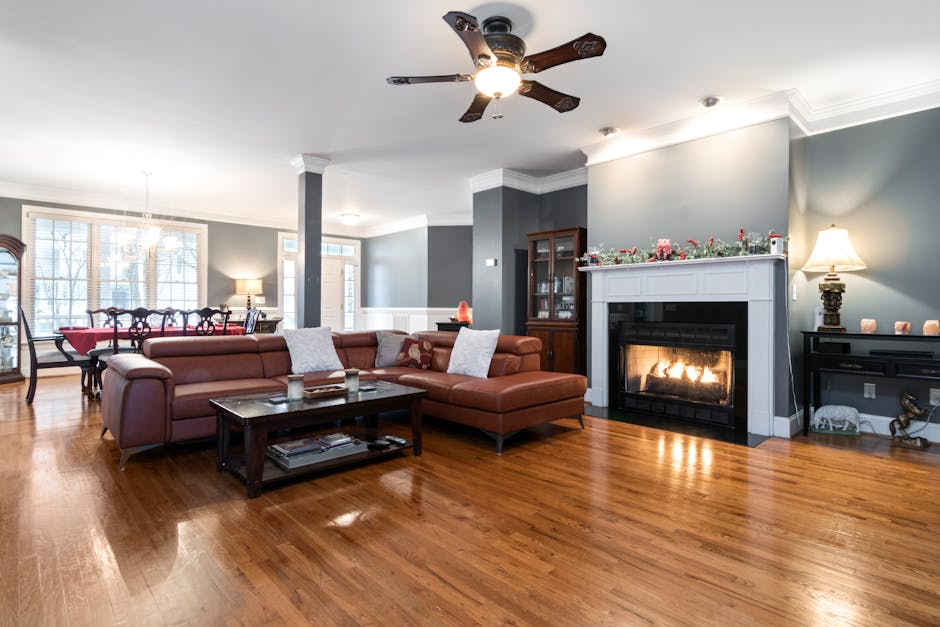
Selecting the Ideal Ceiling Fan Model for Winter
When shopping for a ceiling fan that works effectively year-round, prioritize models with a reversible motor to easily switch blade directions. This feature is vital for winter performance. The material of the blades also plays a role; wood blades generally operate more quietly than metal ones, contributing to a more comfortable atmosphere.
Additionally, consider fan size. Fans with a blade span of 52 inches or larger are highly effective in larger rooms, while smaller fans are appropriate for cozier spaces. Selecting the right fan impacts both air circulation and the efficiency of your heating system. For more insights on maximizing ceiling fan benefits in winter, check out Ceiling Fans in Winter: Warmer Rooms, Lower Bills.
Dispelling the Myths About Winter Ceiling Fan Use
A common myth suggests that ceiling fans offer no help in heating. Many individuals avoid utilizing their fans due to this misconception. However, when used correctly, ceiling fans can lower heating costs and improve comfort levels. It’s also important to adjust fan speed properly; in winter, running the fan at a low speed offers gentle air circulation, avoiding a draft.
Confusion often arises around whether to leave the fan running continuously or to turn it off while leaving the room. Generally, keep the fan running for optimal warmth but switch it off to conserve energy when you’re not present. Monitor how your specific model performs and adapt accordingly for the best temperature control.
Final Verdict: Use a Ceiling Fan This Winter
The best ceiling fan for winter is one with a reversible motor that suits your space. Don’t miss out on the potential savings and comfort enhancements that a fan can provide during the colder months. I highly recommend investing in a quality fan with a reversible motor for year-round use. If your current fan lacks this feature, consider upgrading to maximize your comfort.
Choosing the right ceiling fan model and effectively utilizing its reverse function can transform your winter experience. Prepare to enjoy consistent temperatures while saving on heating costs. If you have further questions, feel free to ask!
Frequently Asked Questions
How do ceiling fans help in winter?
Ceiling fans help in winter by creating a gentle updraft that redistributes warm air that has risen to the ceiling back down to the living space. This helps maintain a more even temperature throughout the room.
Can ceiling fans warm a room?
Ceiling fans do not generate heat themselves, but they can enhance the effectiveness of your heating system by circulating warm air. This makes the room feel warmer and can contribute to overall comfort.
What direction should a fan spin in winter?
In winter, a ceiling fan should spin in a clockwise direction when viewed from below. This reverses the airflow to push warm air downwards.
Do ceiling fans reduce heating costs?
Yes, ceiling fans can reduce heating costs by allowing you to set your thermostat a few degrees lower while still maintaining comfort. The circulation of warm air helps your heating system work more efficiently.
How to set up a ceiling fan for winter usage?
To set up a ceiling fan for winter usage, find the reverse switch on the fan and set it to spin clockwise. This configuration helps circulate warm air effectively throughout the room.
For additional tips on setting up your ceiling fan, visit installation and usage tips.