
Palm leaf fan blades offer 30% more airflow than wooden fan blades, thanks to their lightweight material and larger surface area. While the quality of the motor and fan design is crucial, selecting the right fan blades plays a vital role in enhancing airflow, efficiency, durability, and visual appeal in any setting, be it residential or commercial.
Among the many blade materials available today, palm leaf and wooden fan blades are two of the most popular choices for homeowners seeking a natural appearance. Both materials offer unique benefits, but they differ significantly in performance, maintenance, lifespan, cost, and suitability for different environments.
This comprehensive guide compares palm leaf fan blades and wooden fan blades to help you determine which option best fits your home, office, patio, or outdoor living space.
What Are Palm Leaf Fan Blades?
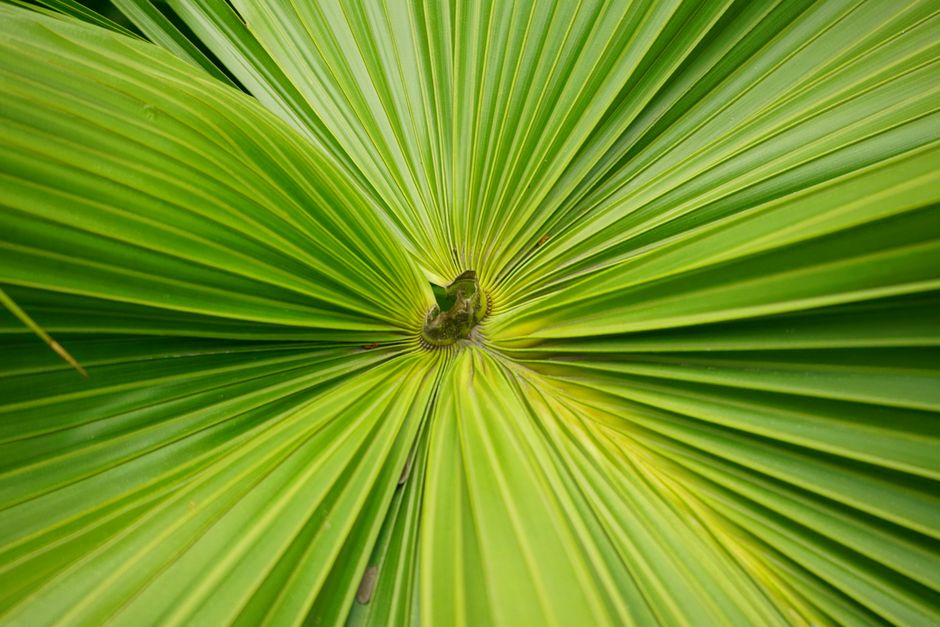
Palm leaf fan blades are made from natural palm leaves that are harvested, dried, treated, and shaped into durable fan blades. Manufacturers often reinforce these leaves with protective coatings to improve strength and resistance to moisture.
Palm leaf blades are commonly found in tropical-style ceiling fans designed for:
- Patios
- Gazebos
- Resorts
- Beach houses
- Sunrooms
- Outdoor living areas
Their handcrafted appearance gives every fan a unique look because no two palm leaves have identical patterns.
What Are Wooden Fan Blades?
Wooden fan blades are manufactured from either solid hardwood or engineered wood products. Popular wood species include:
- Oak
- Maple
- Walnut
- Bamboo
- Mahogany
- Cherry
Some fan blades are made from plywood or medium-density fiberboard (MDF) with wood veneers, while premium models use solid wood for enhanced durability and appearance.
Wooden blades are widely used in:
- Bedrooms
- Living rooms
- Dining areas
- Offices
- Luxury interiors
- Farmhouse-style homes
Material Comparison
Palm Leaf Blades
Palm leaf blades use natural fibers that are lightweight and flexible. They maintain a rustic, tropical appearance while remaining relatively easy to move through the air.
Advantages include:
- Lightweight construction
- Natural texture
- Eco-friendly sourcing
- Tropical appearance
However, they require careful treatment to withstand humidity and outdoor conditions.
Wooden Blades
Wood provides a dense and rigid structure that offers long-term durability.
Wooden blades are known for:
- Excellent strength
- Premium finish
- Smooth surfaces
- Wide variety of stains and colors
They generally weigh more than palm leaf blades but provide consistent performance over many years.
Appearance and Style
Palm Leaf Fan Blades
Palm leaf blades create a relaxed, island-inspired atmosphere. Their natural curves and woven textures make them perfect for tropical décor.
They complement:
- Coastal homes
- Caribbean-inspired interiors
- Outdoor patios
- Garden spaces
- Rustic cabins
Every blade has slight variations, adding authenticity to the design.
Wooden Fan Blades
Wooden blades offer timeless elegance and versatility.
They suit nearly every interior style, including:
- Modern
- Traditional
- Scandinavian
- Farmhouse
- Contemporary
- Industrial
Wood stains allow homeowners to match furniture, flooring, cabinets, and trim for a cohesive look.
Airflow Performance
Fan blade performance depends on blade shape, pitch, motor power, and material.
Palm Leaf Blades
Palm leaf blades are generally lightweight, allowing motors to operate efficiently.
They often produce:
- Gentle airflow
- Quiet operation
- Comfortable breeze
Many tropical fans feature wider blade designs that maximize air movement.
Wooden Blades
Wooden blades provide stable airflow due to their rigid construction.
Benefits include:
- Consistent air circulation
- Better performance in larger rooms
- Reduced blade flexing
- Improved balance
High-quality wooden blades maintain their shape for years.
Durability
Palm Leaf Blades
Modern palm leaf blades undergo treatments that improve resistance to:
- Moisture
- Mold
- UV exposure
- Insects
Despite these improvements, prolonged exposure to harsh weather may eventually reduce their lifespan.
Proper maintenance significantly extends durability.
Wooden Blades
Wooden blades are highly durable when properly sealed.
Quality hardwood blades can last for decades.
Potential concerns include:
- Warping from excessive humidity
- Cracking if improperly maintained
- Surface scratches
Indoor environments generally pose very few problems.
Moisture Resistance
Palm Leaf Blades
Palm leaf blades naturally perform well in humid climates after protective treatment.
They are commonly installed in:
- Covered patios
- Porches
- Tropical environments
- Outdoor seating areas
However, they should not remain constantly exposed to heavy rain unless specifically rated for wet locations.
Wooden Blades
Wood reacts more noticeably to moisture.
Without proper sealing, wood may:
- Expand
- Contract
- Warp
- Develop cracks
Outdoor installations require weather-resistant finishes and fans specifically designed for exterior use.
Weight Comparison
Palm leaf blades are generally lighter than wooden blades.
Lightweight blades offer several advantages:
- Lower motor strain
- Reduced energy consumption
- Easier installation
- Quieter operation
Wooden blades, while heavier, provide excellent stability and maintain consistent airflow.
Maintenance Requirements
Palm Leaf Blades
Maintenance is relatively simple.
Recommended care includes:
- Dusting regularly
- Cleaning with a soft cloth
- Avoiding harsh chemicals
- Inspecting protective coatings annually
Occasional cleaning preserves their natural appearance.
Wooden Blades
Wooden blades require slightly more attention.
Maintenance involves:
- Dust removal
- Gentle wood-safe cleaners
- Polishing if necessary
- Avoiding excessive moisture
Proper care helps preserve the finish for many years.
Energy Efficiency
Both palm leaf and wooden blades can be energy efficient when paired with quality motors.
Palm leaf blades often consume slightly less energy because of their lighter weight.
However, the actual energy efficiency depends more on:
- Motor technology
- Blade pitch
- Fan size
- Speed settings
Modern DC motor fans provide the greatest energy savings regardless of blade material.
Noise Levels
Palm Leaf Blades
Their lightweight nature often contributes to quieter operation.
When balanced correctly, palm leaf blades produce minimal vibration.
Wooden Blades
High-quality wooden blades are also extremely quiet.
Their rigid construction helps maintain blade balance over time, reducing wobbling and vibration.
Environmental Impact
Palm Leaf Blades
Palm leaf blades are often considered environmentally friendly because they use renewable natural materials.
Benefits include:
- Biodegradable material
- Lower manufacturing impact
- Natural sourcing
Sustainable harvesting practices further improve their environmental profile.
Wooden Blades
Wood is also renewable when sourced responsibly.
Look for manufacturers using sustainably harvested timber and environmentally friendly finishes.
Engineered wood products may reduce waste by utilizing smaller wood pieces efficiently.
Cost Comparison
Palm leaf fans typically range from mid-priced to premium depending on craftsmanship.
Wooden fans are available across nearly every price category.
General pricing trends:
- Budget wooden fans are usually less expensive.
- Premium hardwood fans can cost significantly more.
- Handmade palm leaf fans often carry higher prices due to craftsmanship.
Indoor vs Outdoor Use
Palm Leaf Blades
Best for:
- Covered patios
- Verandas
- Gazebos
- Tropical-themed interiors
- Sunrooms
Many are specifically engineered for damp locations.
Wooden Blades
Best for:
- Bedrooms
- Living rooms
- Offices
- Dining rooms
- Hotels
Outdoor use requires specially rated weather-resistant models.
Pros and Cons
Palm Leaf Fan Blades
Pros
- Lightweight
- Unique handcrafted appearance
- Excellent for tropical décor
- Eco-friendly
- Quiet operation
- Suitable for humid environments
Cons
- Limited design styles
- May require occasional protective maintenance
- Less suitable for harsh outdoor exposure
- Often more expensive than standard wood blades
Wooden Fan Blades
Pros
- Elegant appearance
- Highly durable
- Wide style selection
- Excellent airflow stability
- Long lifespan
- Matches many interior designs
Cons
- Heavier than palm leaf blades
- Can warp in excessive moisture
- Requires proper sealing
- Premium hardwood models can be costly
Which One Should You Choose?
Choose palm leaf fan blades if you:
- Prefer tropical or coastal décor.
- Need blades for a covered outdoor area.
- Want lightweight, natural materials.
- Appreciate handcrafted designs.
Choose wooden fan blades if you:
- Want a timeless indoor aesthetic.
- Prefer maximum durability.
- Need multiple finish options.
- Desire long-term value with minimal replacement.
Conclusion
Palm leaf and wooden fan blades each offer distinct advantages, making them suitable for different environments and design preferences.
Palm leaf blades excel in creating a relaxed, tropical atmosphere while remaining lightweight, quiet, and visually unique. They are particularly well suited for covered outdoor spaces and homes inspired by coastal or island aesthetics.
Wooden fan blades, on the other hand, provide outstanding durability, versatile styling, and dependable airflow. Their classic appearance complements a wide variety of interior designs, making them a popular choice for residential and commercial settings alike.
Ultimately, the best option depends on your intended location, maintenance preferences, design style, and budget. If you prioritize natural tropical charm and outdoor compatibility, palm leaf fan blades are an excellent choice. If longevity, versatility, and timeless elegance matter most, wooden fan blades are likely the better investment.