
Using a ceiling fan can lower your cooling costs by up to 30 percent, making it an effective alternative to relying solely on air conditioning. It reduces energy consumption while maintaining comfort in your living space.
This reduction in costs comes from how ceiling fans circulate air, making you feel cooler without actually lowering the temperature of the room. By understanding the mechanics behind ceiling fans and their role in home cooling solutions, you can learn how to maximize their energy-saving potential.

How Does a Ceiling Fan Save Energy?
The primary way ceiling fans save energy is through air circulation. When you run a ceiling fanthe blades spin and create a wind-chill effect. This effect makes the air feel cooler on your skin, allowing you to raise your thermostat setting by several degrees without sacrificing comfort.
For example, if you typically set your thermostat to 75°F, using a ceiling fan allows you to raise it to 78°F while still feeling comfortable.
Another critical factor is that ceiling fans are generally more energy-efficient than air conditioning units. While typical air conditioning units can consume around 2,000 watts or more per hour, a ceiling fan uses only about 70 to 100 watts. The difference in electricity consumption is staggering, making ceiling fans a smart choice for energy efficiency.
The Mechanics Behind Fan Operations
Understanding the mechanics of how ceiling fans operate is essential for optimizing their usage. Most fans have a motor that drives the blades, and the type of motor significantly impacts energy efficiency. High-quality fans with efficient motors tend to use less electricity while providing maximum air movement. Look for options with DC motors, as they consume up to 70 percent less energy than traditional AC motors.
Additionally, fan blade pitch plays a crucial role in determining how efficiently air is circulated. Blades with a pitch between 12 to 15 degrees offer the best performance for airflow. When shopping for a ceiling fan, pay attention to the motor performance and blade design to ensure you’re getting the best energy-saving capability.
The Role of Ceiling Fans in Reducing Energy Costs
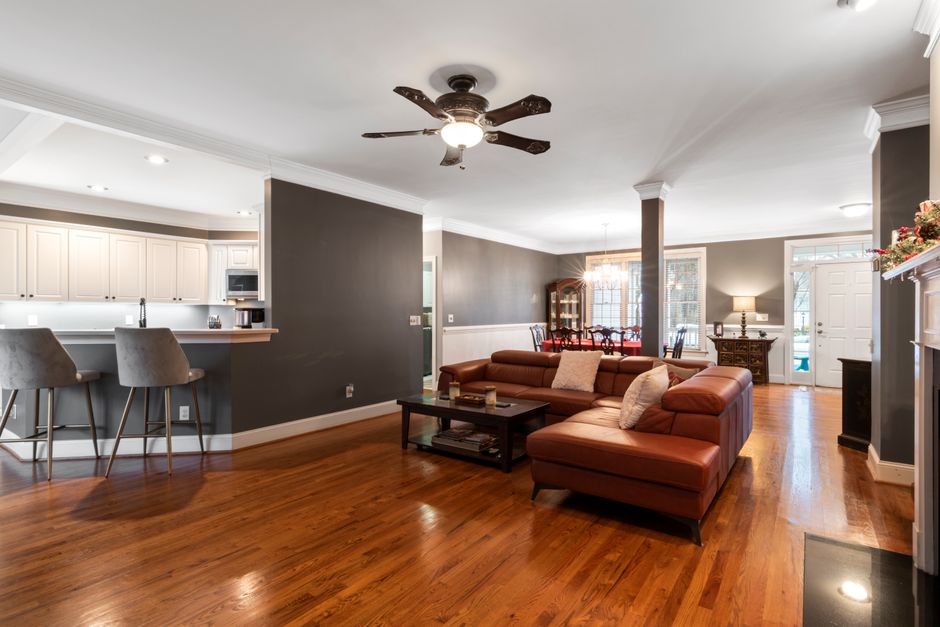
Ceiling fans shouldn’t replace your air conditioning unit, but rather complement it. By using both systems together, you can achieve optimal cooling results while conserving energy. During warmer months, run your ceiling fan counterclockwise to create a cooling breeze.
In the winter, switch the fan’s direction clockwise at a low speed to circulate warm air, preventing it from rising to the ceiling, which can help maintain a consistent temperature throughout your home.
People often underestimate the financial impact of this combined approach. If you typically use air conditioning alone, consider how even small changes can lead to substantial savings. It’s not unusual to see monthly utility bills decrease by hundreds of dollars simply by being smart about air movement and temperature settings. This is especially true when learning how does a ceiling fan save energy.
Energy Efficiency Tips for Ceiling Fans
To maximize the energy-saving benefits of ceiling fans, here are some practical tips:
- Always turn off your ceiling fan when you leave the room. Fans cool people, not spaces.
- Ensure your fan is sized appropriately for the room it’s in; a small fan in a large room won’t be effective.
- Regularly clean the fan blades to maintain their efficiency. Dust buildup can hinder performance.
- Consider installing a fan with energy-efficient settings and smart technology to automate usage.
By taking these simple steps, you’ll enhance the effectiveness of your ceiling fan and contribute to an overall reduction in energy consumption.
Conclusion: The Clear Verdict on Ceiling Fan Efficiency
So, how does a ceiling fan save energy? The answer lies in its ability to circulate air efficiently, combined with its low electricity consumption compared to air conditioning units. You can significantly decrease your energy costs by using a ceiling fan correctly and alongside your HVAC system.
This is the one I highly recommend for anyone seeking a budget-friendly cooling solution. Not only will you enjoy a more comfortable home, but you’ll also make a positive impact on your energy bills.
For those looking into energy-efficient ceiling fan options, I even wrote an article that covers what to look for in an energy-efficient ceiling fan here: What to Look for in an Energy Efficient Ceiling Fan.
Frequently Asked Questions
How do ceiling fans lower energy consumption?
Ceiling fans enhance air circulation, making rooms feel cooler without needing to lower the thermostat on your air conditioning. This can significantly reduce the workload of your cooling system, leading to lower energy consumption.
Can a ceiling fan reduce my electricity bill?
Yes, by using a ceiling fan in conjunction with your air conditioning, you can set the thermostat a few degrees higher while still feeling comfortable. This can lead to noticeable savings on your electricity bill.
What is the energy efficiency of ceiling fans?
Ceiling fans are generally energy-efficient, consuming between 30 to 100 watts, depending on the speed settings and size. When compared to cooling systems, they use significantly less electricity while effectively circulating air.
Is it cheaper to use a fan or AC?
Using a ceiling fan is usually cheaper than running an air conditioning unit, as fans consume less energy. Fans can provide cooling by facilitating air movement, making it a more cost-effective option during moderate heat.
How much energy can a ceiling fan save annually?
On average, a ceiling fan can save about 10 to 15% on energy costs when used to support air conditioning. This can translate to savings of approximately $50 to $150 a year, depending on usage and local electricity rates.