
Flush mount ceiling fans pros and cons include their space-saving design and energy efficiency, making them ideal for smaller areas. These fans typically have a sleek appearance that enhances room aesthetics while delivering adequate airflow. However, it's essential to evaluate their height limitations and potential noise levels to ensure you select the right option for your specific needs.
Flush mount models deliver unique advantages and limitations. They fit well in rooms with ceilings lower than 8 feet while still adding an attractive fixture, but their airflow capacity does not always measure up to traditional fans. Here’s a detailed look at what to expect when considering flush mount ceiling fans.

Why Airflow Might Disappoint
Flush mount ceiling fans generally provide limited airflow compared to their hanging counterparts. This difference can be significant; for example, models designed for smaller rooms may only circulate air effectively in spaces up to 120 square feet. However, in larger areas, they often fail to deliver adequate cooling, leaving hot spots, particularly near corners or walls.
Additionally, homeowners find that flush mounts often work best when paired with air conditioning rather than as standalone cooling solutions. If you live in a hot climate and depend solely on the fan to cool your room, you might find it insufficient. Investing in traditional ceiling fans with blades longer than 52 inches could prove more effective for larger spaces.
Installation Challenges with Certain Ceilings
Installation for flush mount fans can be tricky, especially in rooms with sloped ceilings, which require specialized mounting kits. This can increase installation costs by 20-30% and lead to headaches due to mismatched mounting systems. The process can take 2-5 hours compared to 1 hour for flat ceiling installations.
Furthermore, consider the weight and type of fan you choose. Most flush mounts weigh between 10 and 20 pounds, but if your ceiling is older or weaker, it may not support the added weight. Research the mounting hardware included with your chosen model, as some come with everything needed while others require additional purchases.
Stylish Aesthetic Features
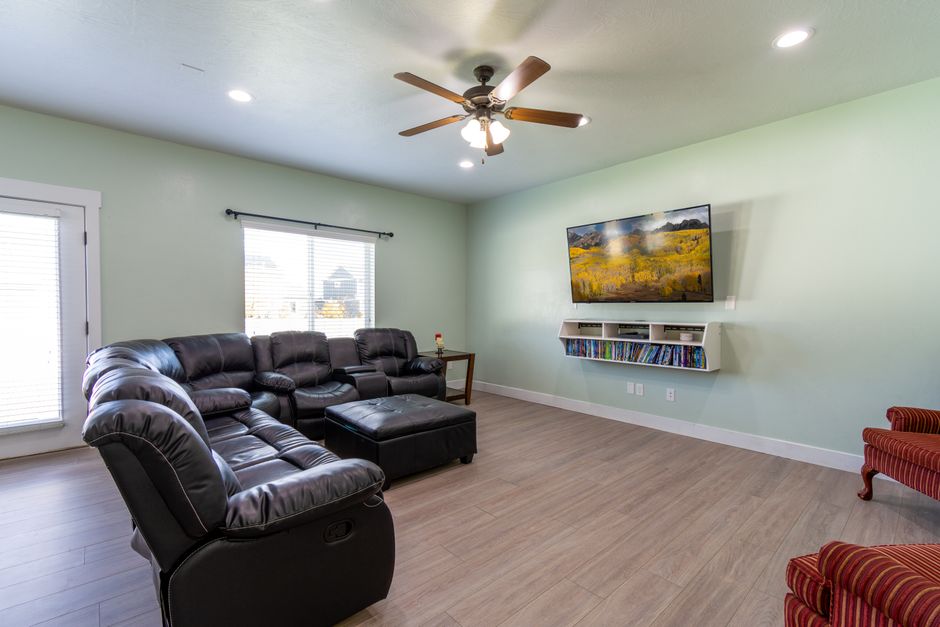
On the positive side, flush mount ceiling fans feature sleek, low-profile designs that do not crowd a room’s visual space. They are particularly appealing for rooms with low ceilings, and many manufacturers now include decorative elements and integrated light kits that blend style and functionality. This can be particularly useful when you want both lighting and air circulation without compromising design.
Aesthetic preference varies; while some enjoy the minimalistic look, others miss the dynamic designs of traditional fans. If you prize bold design elements, it might be worth considering alternative options, as flush mount fans may not meet your expectations for visual impact.
Energy Efficiency: A Double-Edged Sword
Energy efficiency in flush mount ceiling fans can be beneficial, with many models consuming as little as 50 watts during operation. Running a fan during hotter months can contribute to savings on your electricity bill. However, if the airflow remains limited, you’ll likely rely on air conditioning, which can negate energy savings.
Before purchasing, ensure the fan you select suits your room size and airflow requirements. Models designed for optimal airflow can minimize reliance on cooling systems, maintaining energy efficiency without compromising comfort.
Choosing the Right Fan for Your Space
Deciding whether to opt for flush mount ceiling fans involves a thorough evaluation of your specific circumstances. If you have low ceilings and a compact room, a flush mount fan can enhance the space’s aesthetic without intrusion, especially in modern interiors.
On the other hand, if airflow effectiveness is paramount or if your ceiling is angled, consider larger ceiling fans with longer blades designed for optimal circulation. For enhanced aesthetics, traditional ceiling fans or other decorative options could be more suitable.
For options, consider fans like the Emerson CF880WW for a quiet operating experience or the Westinghouse 7861500 for efficient performance.
Final Verdict: The Best Options
If you prioritize style and have low ceilings, flush mount ceiling fans are a strong choice. For airflow effectiveness and versatility in larger or angled spaces, larger traditional fans become the better selection. Evaluate your needs and preferences to find the fan that will best serve your home.
Frequently Asked Questions
What are the benefits of flush mount ceiling fans?
Flush mount ceiling fans offer a sleek and compact design that is perfect for rooms with low ceilings, providing effective airflow without taking up much space. They are often easier to install and can enhance the aesthetics of a room by being less obtrusive than traditional fans.
Can flush mount ceiling fans be used outdoors?
Yes, many flush mount ceiling fans are designed specifically for outdoor use, featuring materials that resist moisture and corrosion. However, it’s essential to check the manufacturer’s specifications to ensure the fan is rated for outdoor conditions.
How efficient are flush mount fans compared to traditional ones?
Flush mount fans can be just as efficient as traditional fans, depending on the motor and blade design. They often provide similar airflow capabilities while consuming comparable energy levels, making them a practical choice for cooling spaces.
Why choose a flush mount ceiling fan for a small room?
Flush mount ceiling fans are ideal for small rooms as they save vertical space and prevent the fan from overpowering the room’s design. Their compact size allows for better clearance, making them suitable for low ceilings while still providing effective air circulation.
Do flush mount ceiling fans provide good air circulation?
Yes, flush mount ceiling fans are designed to provide effective air circulation, helping to maintain a comfortable environment in various room sizes. Their blade design allows for optimal airflow, ensuring that air is evenly distributed throughout the space.
For more information about the energy efficiency of ceiling fansconsider exploring the ENERGY STAR website.