

When it comes to home or commercial ventilation and comfort, two of the most common appliances are ceiling fans and exhaust fans. While both serve to improve air circulation, they are designed for entirely different purposes. This article will explore the differences between ceiling fans and exhaust fans, how they work, their benefits, and which one you should use in specific situations.

What is a Ceiling Fan?
A ceiling fan is an electrically powered mechanical fan mounted on the ceiling of a room. It uses rotating blades to circulate air, creating a cooling effect through air movement.
Key Features:
- Mounted on the ceiling
- Circulates air within a room
- Comes with multiple speed settings
- Often includes lighting fixtures
How It Works:
Ceiling fans do not reduce the temperature of the room but create a wind-chill effect that makes people feel cooler. The movement of air helps evaporate sweat from the skin, increasing comfort.
What is an Exhaust Fan?
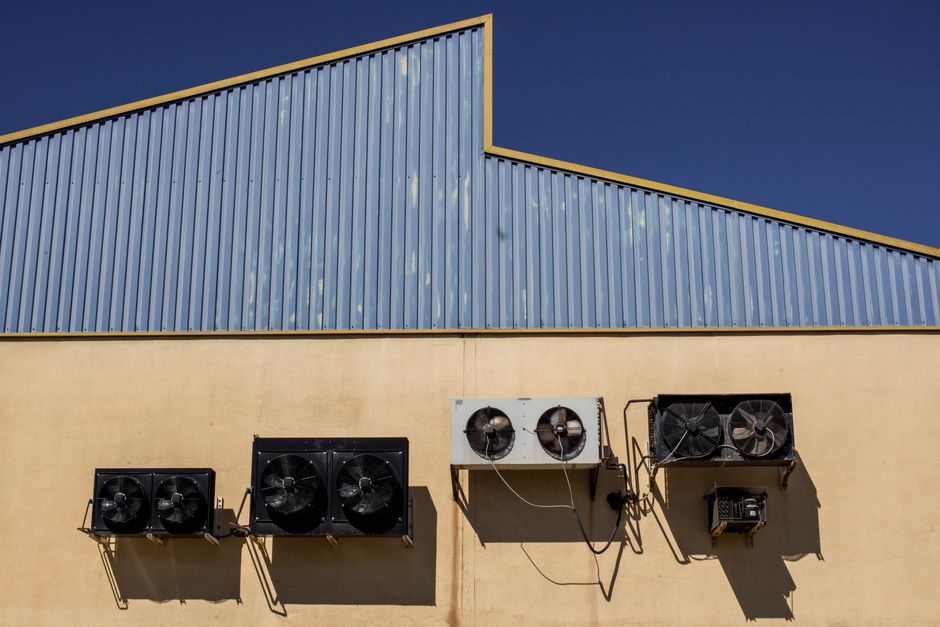
An exhaust fan is a ventilation device typically installed in walls, windows, or ceilings. It is designed to remove stale air, odors, smoke, humidity, or contaminants from an indoor space and replace it with fresh air.
Key Features:
- Mounted on walls, windows, or ceilings
- Expels air from inside to the outside
- Used in kitchens, bathrooms, and industrial areas
- Helps reduce moisture and prevent mold
How It Works:
Exhaust fans create negative pressure in a room by sucking out indoor air. This allows fresh outdoor air to flow in through vents or open windows, improving air quality and removing unwanted substances.
Ceiling Fan vs Exhaust Fan: A Side-by-Side Comparison
| Feature | Ceiling Fan | Exhaust Fan |
|---|---|---|
| Purpose | Air circulation, cooling | Ventilation, air removal |
| Function | Moves indoor air around | Removes air from the room |
| Installation | Ceiling mounted | Wall, window, or ceiling mounted |
| Best Used In | Living rooms, bedrooms, offices | Bathrooms, kitchens, garages |
| Cooling Effect | Creates breeze, makes room feel cooler | Does not cool, removes warm or humid air |
| Air Direction | Recirculates air within room | Pushes air out of the room |
| Noise Level | Generally quiet | Can be noisy depending on model |
| Energy Usage | Moderate | Usually low |
| Maintenance | Occasional cleaning | Regular cleaning of vents/blades |
Advantages of Ceiling Fans
- Energy-efficient cooling
- Helps reduce reliance on air conditioners
- Stylish designs enhance decor
- Easy to install and operate
- Available with remote and light options
Disadvantages:
- Doesn’t reduce room temperature
- Less effective in high humidity without AC
- Needs clearance space on the ceiling
Advantages of Exhaust Fans
- Removes excess heat, humidity, and smoke
- Prevents mold and mildew growth
- Improves indoor air quality
- Essential for kitchens and bathrooms
Disadvantages:
- Limited to specific areas (e.g., bathroom, kitchen)
- Can be noisy
- Doesn’t provide a cooling effect
When to Use a Ceiling Fan
- You want to enhance comfort in living spaces
- Your goal is to circulate air and create a cooling breeze
- You need a budget-friendly alternative or supplement to air conditioning
- The space has sufficient ceiling height and airflow
When to Use an Exhaust Fan
- You need to remove moisture after a shower (bathroom)
- You're cooking and want to eliminate smoke and odors (kitchen)
- You're dealing with indoor air pollution, chemical fumes, or humidity
- Mold prevention is a concern
Can You Use Both?
Yes! In fact, using both a ceiling fan and an exhaust fan in different areas of a home or building can greatly improve both comfort and air quality.
- Use a ceiling fan in bedrooms and living areas for cooling and circulation.
- Use an exhaust fan in bathrooms, kitchens, and utility rooms for moisture and odor control.
Who Suits Which Option?
Your choice between a ceiling fan and an exhaust fan often depends on your living situation and environment. Ceiling fans are ideal for individuals looking to distribute air and maintain a comfortable climate in large rooms.
They work great in bedrooms, living rooms, and open areas. If your lifestyle features frequent gatherings, a ceiling fan enhances airflow and comfort.
On the other hand, exhaust fans serve specific purposes. You should consider one if you cook frequently or live in humid conditions. Exhaust fans are vital in bathrooms and kitchens, effectively removing moisture and odors.
In a small apartment with poor ventilation, an exhaust fan is more suitable than a ceiling fan. If you find yourself frequently dealing with stale air or humidity, the exhaust fan is your best bet.
Ultimately, assess your space and needs. Installing both types allows you to effectively manage air circulation and moisture levels throughout your home.
Practical Installation Tips
Ceiling fans are typically installed on the ceiling, requiring access to electrical wiring. Make sure to use a sturdy mounting bracket for safety. For best results, install the fan at least eight feet above the floor and avoid placing it near heat sources.
Exhaust fans should be installed in areas where moisture is a concern, like kitchens or bathrooms. Ensure you seal any gaps to prevent air leakage. The placement should focus on areas that generate steam or odors, directing airflow to the outside.
Common Mistakes in Use and Maintenance
A common mistake with ceiling fans is running them backward during cold months. This can cause warm air to push down instead of circulating it efficiently. Always check the direction settings based on the season.
For exhaust fans, neglecting regular cleaning is a mistake many make. Dust and grease can accumulate, reducing efficiency. Aim to clean these fans every few months and replace filters if needed to maintain optimal performance.
Cost Considerations
When buying a ceiling fan, prices can range from $50 for basic models to over $300 for designer options. Installation costs typically add another $100 to $200.
Exhaust fans are generally less expensive, costing between $30 to $150. Professional installation may range from $75 to $150. Weighing these costs against energy savings can help in decision-making.
Conclusion
While both ceiling fans and exhaust fans serve essential roles in managing indoor air, they are not interchangeable. A ceiling fan enhances comfort by moving air around, while an exhaust fan ensures proper ventilation by removing unwanted air from a space.