
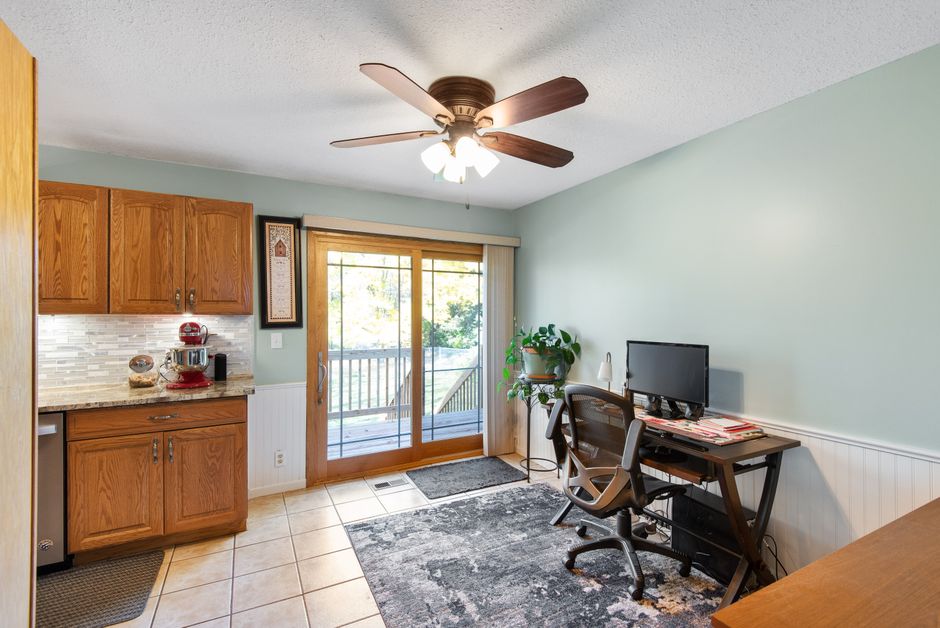
How do ceiling fans work? They circulate air by using angled blades that create a wind-chill effect, which makes you feel cooler without changing the room temperature, saving you up to 30% on energy bills. This efficient airflow contributes to overall comfort while reducing the strain on your HVAC system.
When installed correctly, ceiling fans enhance air circulation, creating a noticeable wind-chill effect that makes a room feel cooler in summer without needing to lower the thermostat. However, factors such as design, motor quality, and direction are vital for maximizing their effectiveness. Understanding these elements helps you optimize your fan’s performance and avoid common pitfalls.
<img src="
” class=”responsive” width=”800″ height=”600″ style=”max-width:100%;”>
Essential Components of a Ceiling Fan
The electric motor is the heart of every ceiling fan, powering blades made from materials like wood, plastic, or metal. While a standard fan relies on a simple motor to spin the blades, its design plays a crucial role in performance. Blade shape and pitch determine air movement and efficiency; well-designed blades will push more air than less efficient alternatives.
Therefore, selecting a fan wisely is essential.
Also, consider the motor type. While many fans operate in a single direction, reversible motors can rotate both clockwise and counterclockwise. This feature allows you to adjust airflow according to the season: in summer, set the fan to spin counterclockwise to create a cooling breeze; in winter, switch it to clockwise to recirculate warm air that rises.
Air Circulation
Ceiling fans utilize blade movement and airflow patterns to circulate air. Their rotation generates a wind-chill effect, lowering perceived temperature by about 5 to 7 degrees Fahrenheit, especially beneficial during warmer months when you want to conserve energy while maintaining comfort.
However, not all fans are effective at circulating air. Cheaper models may create turbulent airflow and unwanted noise, detracting from the relaxing atmosphere you desire. Always check reviews for noise levels and opt for models recognized for quiet operation. Fans listed in my 7 Top Ceiling Fans with Remote Controls tend to receive higher ratings for noise management.
<img src="

” class=”responsive” width=”800″ height=”600″ style=”max-width:100%;”>
The Importance of Fan Direction
A common mistake is using ceiling fans in the incorrect direction. A fan spinning in the wrong direction fails to provide adequate air circulation and can lead to increased energy costs. Most fans have a switch for toggling between clockwise and counterclockwise rotation. For summer, the blades should rotate counterclockwise, pushing air downward.
In winter, switch to clockwise to pull cool air up while pushing warm air down and circulating it around the room.
Neglecting to make this adjustment can waste energy. If the fan blows downward in winter, it creates drafts, leading to a less comfortable atmosphere and higher heating bills. Adjusting your fan’s direction seasonally is a simple yet effective way to save energy and enhance comfort.
Selecting the Ideal Ceiling Fan
Choosing the right ceiling fan can be daunting due to various sizes, styles, and features. Start by measuring your room. A general guideline is to choose a blade span proportionate to room size: 36 inches for small rooms, 42 inches for medium spaces, and 52 inches for larger areas. Opting for fans with higher speeds and efficient blade designs ensures better air circulation.
Consider additional features like remote control and smart technology, which enhance usability by letting you adjust settings without getting up. If installation is also a concern, my article on 5 Wire vs 3 Wire Ceiling Fan Installation: 5 Top Picks provides valuable insights.
Our Recommendations for Ceiling Fans
Understanding how ceiling fans work is essential for enhancing comfort and reducing energy bills. Selecting a quality fan with an efficient design, being mindful of noise levels, and adjusting direction seasonally can greatly improve your investment’s value. Additionally, learning more about how do ceiling fans work can further optimize your choices.
Ultimately, ceiling fans are a beneficial addition to any home. Choose a model suited to your space and requirements, while considering maintenance. If noise concerns you, look for those specifically noted for their quiet performance.
Frequently Asked Questions
How does a ceiling fan circulate air?
A ceiling fan circulates air by using blades to create a breeze that moves across the room. The spinning motion draws warm air upwards while pushing cooler air down, resulting in an improved circulation of air throughout the space.
Why does a ceiling fan make noise?
Ceiling fans can make noise due to several factors, including the type of motor used, the quality of the fan’s construction, and the speed at which it’s operating. Additionally, loose blades or mounting hardware can lead to vibrations, contributing to unwanted sounds.
What makes ceiling fans energy efficient?
Ceiling fans are considered energy efficient because they use significantly less electricity than air conditioning units. They can effectively cool a room by allowing occupants to feel cooler with higher temperatures set on the thermostat, thus reducing energy consumption.
Can ceiling fans help in winter?
Yes, ceiling fans can help in winter by allowing warm air that naturally rises to the ceiling to be recirculated throughout the room. Most fans have a reverse setting that spins the blades clockwise, pushing warmer air down and improving heat distribution.
Is it safe to leave a ceiling fan on all night?
It is generally safe to leave a ceiling fan on all night, as they are designed for continuous use. However, it’s important to ensure that the fan is in good working condition and that the blades are clean and tight to avoid any potential issues.