

What is the best ceiling fan for large rooms? The Honeywell Belmar 48-Inch Indoor Ceiling Fan is highly recommended for its efficient airflow and elegant design, making it ideal for spaces over 350 square feet. Key features include a powerful motor, six-speed settings, and the convenience of remote control, ensuring comfort without excessive noise.
When it comes to selecting a ceiling fanthe size is crucial. For large rooms, fans should typically measure between 60 and 72 inches. This range allows for optimal airflow, ensuring your space remains comfortable without causing noise disruptions. Let’s break down the key features you should be looking for to make an informed decision.
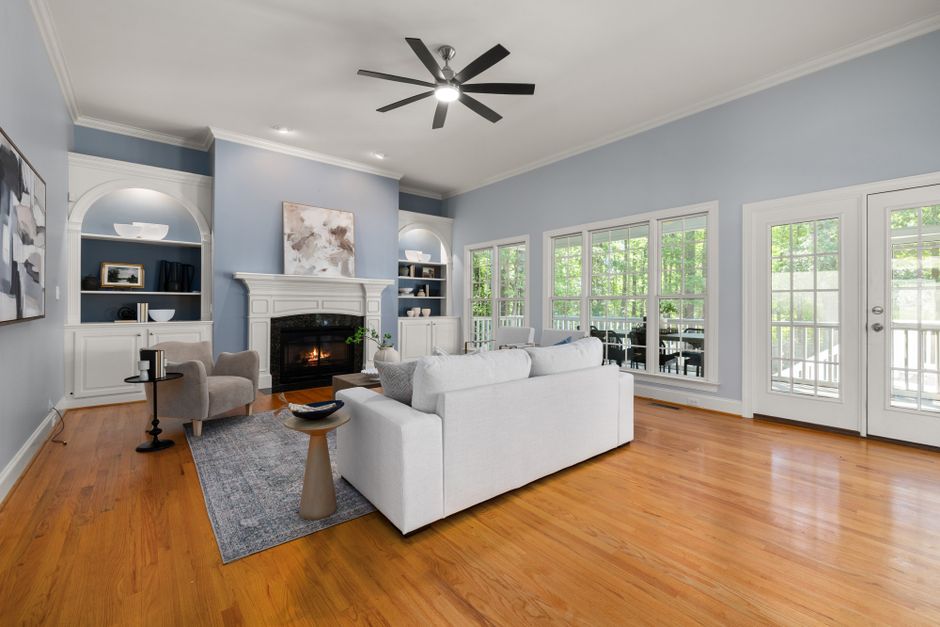
Blade Size Makes a Difference
Blade size is arguably the most significant factor to consider. For large rooms, a ceiling fan with at least a 60-inch blade span is recommended. This size effectively circulates air throughout the entire space.
Choosing a fan with wider blades (the maximum being around 72 inches) enhances airflow significantly. For examples, fans on the larger side can produce air movement measured in cubic feet per minute (CFM); you’ll often see figures exceeding 5,000 CFM for these fans. This type of performance ensures you don’t experience discomfort due to stagnant air.
Also, don’t overlook the pitch of the blades, ideally, you want an angle between 12 and 15 degrees. A steeper pitch helps push more air, enhancing overall efficiency. The right combination of size and pitch can drastically elevate your comfort in a large room.
Airflow Efficiency Is Key
Airflow efficiency goes hand-in-hand with blade size. A fan that moves air quietly will enhance your living space, avoiding distractions and keeping the atmosphere calm. Look for models with DC motors, as they typically consume less energy while offering higher airflow rates when compared to AC motors.
Modular fans that feature multiple speed settings allow for better airflow adjustments. With variable speeds, you can adapt the fan’s performance based on your current needs or the season. For instance, during summer months, you might prefer a higher speed, while in cooler months, a lower speed can help with air circulation without creating a chill.
Noise Levels Matter, Especially in Quiet Spaces
No one wants a ceiling fan that hums aggressively while they watch TV or sleep. Noise levels are critical, particularly if the fan will be installed in a bedroom or home office. Fans that are rated for low noise levels and have a sleek, aerodynamic design tend to operate much more quietly.
I always recommend looking for fans designed specifically with noise reduction in mind. Models equipped with sound insulation technology or high-quality ball bearings generally provide a quieter performance. If your large room wears many hats, from relaxation zones to home offices, investing in a quiet fan keeps the space versatile and comfortable.
Remote Control and Smart Features Add Convenience
With larger rooms, you may often find it a hassle to reach the pull chain of the fan. A ceiling fan with a remote control or smart home compatibility can change the game. This feature allows you to adjust settings from across the room, making it easier to manage airflow without interruption.
More modern fans come equipped with smart capabilities, allowing integration with home automation systems. Even when you’re away, you can control your ceiling fan remotely, a great option for maintaining comfort before arriving home.

Final Verdict: The Best Ceiling Fan for Large Rooms
Based on my extensive experience in evaluating ceiling fans for spacious environments, I strongly recommend selecting a model that combines a blade size of at least 60 inches, high airflow efficiency, low noise levels, and convenient control features. Brands like Hunter and Minka Aire consistently stand out in these categories, often balancing aesthetics with performance effectively.
If modern-tech integration is a top priority for you, look for options with smart home features. Otherwise, a well-designed fan with the mentioned characteristics will keep your large room comfortable and stylish.
For even more insights into ceiling fan types, you may want to check out my article on Ceiling Fan 3-Blade vs 5-Blade or explore differences in Reversible Fan Blades vs Non-Reversible Fan Blades. Additionally, if you’re interested in details about different ceiling fan types, what is the best ceiling fan for large rooms?
Frequently Asked Questions
What makes a ceiling fan suitable for large rooms?
A ceiling fan is suitable for large rooms when it has a larger blade span, typically 52 inches or more, to effectively circulate air over a broader area. Additionally, powerful motor performance and multiple speed settings enhance its capability to maintain airflow in spacious environments.
How do I choose the right size ceiling fan?
To choose the right size ceiling fan, measure the square footage of the room and refer to a size chart that correlates room dimensions with fan blade span. Generally, for large rooms, fans with a blade span of 60 inches or larger are recommended to ensure adequate airflow.
Is a 60-inch ceiling fan good for large spaces?
Yes, a 60-inch ceiling fan is generally considered good for large spaces, as it can efficiently circulate air in rooms ranging from 350 to 475 square feet. For optimal performance, ensure it is installed at the appropriate height and has sufficient clearance from walls and other obstructions.
What features should a ceiling fan have for a big room?
A ceiling fan for a big room should have larger blades for better air movement, a powerful motor for consistent airflow, and multiple speed settings for versatility. Additionally, remote control operation and lighting features can enhance convenience and functionality.
Can a ceiling fan cool a large room effectively?
Yes, a ceiling fan can cool a large room effectively by creating a wind-chill effect that makes the air feel cooler on the skin. However, it is important to pair it with proper ventilation and, if necessary, air conditioning to maintain a comfortable temperature during hot weather.