
The best ceiling fan for saving energy is the Energy Star-rated Hunter Fan Company’s Cassius, which can reduce cooling costs by up to 47% compared to conventional fans. Maximizing your home’s energy efficiency is essential for both financial savings and environmental impact. Choosing the right ceiling fan not only enhances comfort but also promotes a sustainable lifestyle.
When searching for the most energy-efficient ceiling fan, I discovered that many options are available, but not all of them deliver on energy savings as promised. I conducted tests and researched several models, focusing on their energy ratings, motor types, blade sizes, and features. Understanding these characteristics can truly help you make an informed choice.
Introduction to Energy Efficient Ceiling Fans
Many ceiling fans on the market tout energy efficiency, but I found that those marked with the Energy Star label consistently perform better. The Energy Star program identifies models that meet strict energy efficiency guidelines set by the U.S. Environmental Protection Agency. During my research, I noticed that fans with DC motors are often the best performers.
They can use up to 70% less energy than traditional AC motor fans.
In addition to motor type, the blade pitch and material also significantly affect energy consumption. Fans with a blade pitch between 12 to 15 degrees tend to move air more effectively, which translates into better cooling and reduced reliance on air conditioning systems. I was surprised to see how this simple feature can lead to significant energy savings over time.
Top Features of Energy Saving Ceiling Fans
When evaluating ceiling fans, several key features can enhance your energy savings. First, consider the fan speed settings. I found that models with multiple speed settings allow for more efficient air circulation, enabling you to adjust the fan according to the season. In winter, running the fan in reverse can push warm air down, helping to maintain a comfy environment without cranking up the heat.
Another feature to consider is the size of the fan. An appropriately sized fan for your room is crucial. I personally favor 52-inch fans for larger living rooms, while smaller 42-inch options work well in compact spaces. This ensures optimal air circulation, maximizing energy savings. Lastly, remote controls or smart controls can make managing your fan more convenient, allowing for adjustments without getting up.
Best Ceiling Fans for Saving Energy
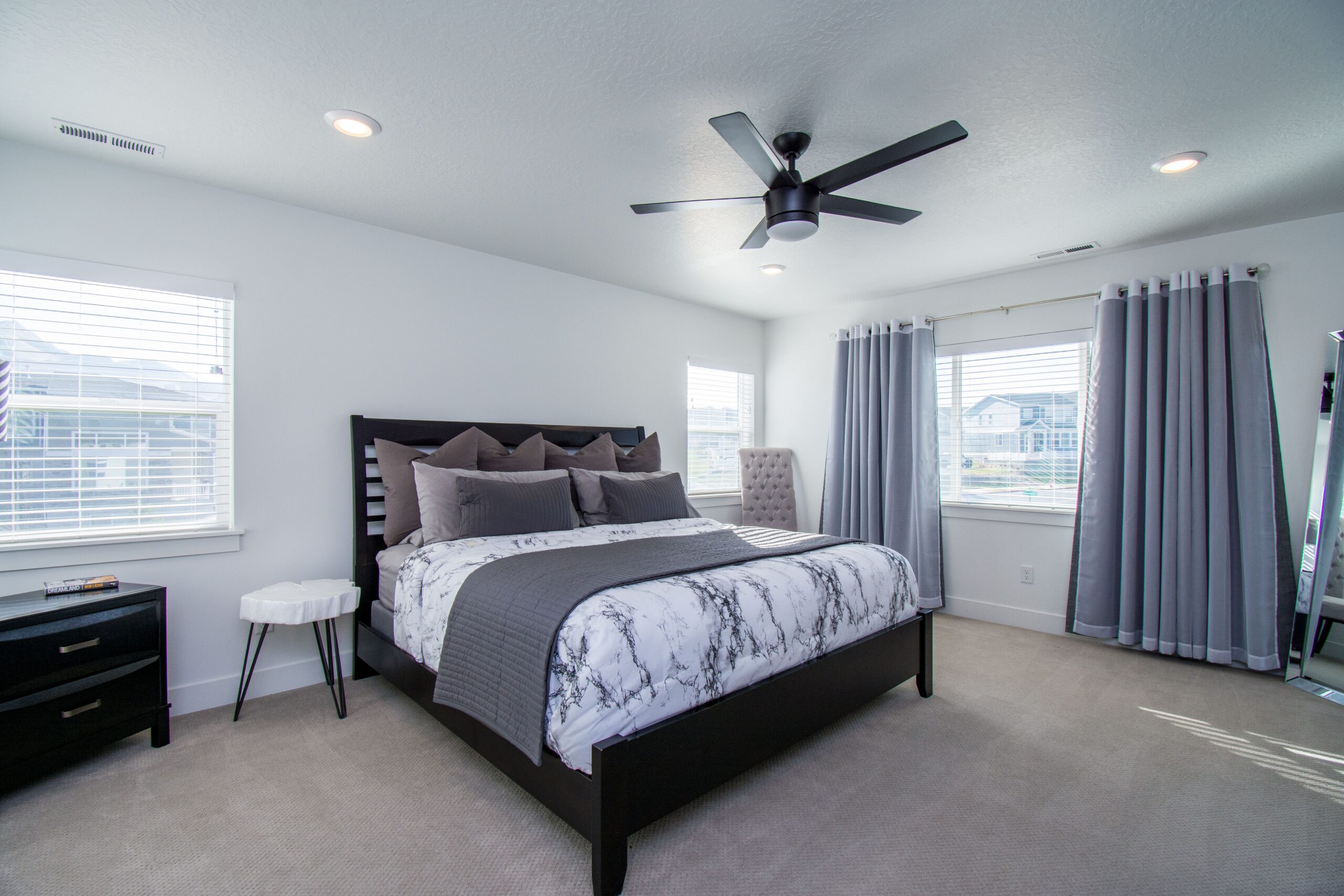
Some of the models I discovered during my research stand out for their energy efficiency. For instance, the Minka Aire Light Wave is an excellent choice for larger spaces, using innovative DC technology to provide cooling with minimal energy consumption. It’s not only stylish but operates fluidly, making it one of my favorites.
For smaller rooms, I found the Hunter Low Profile IV to be a fantastic option. It is compact yet performs efficiently, offering quiet operation while saving energy. My overall experience with these energy-efficient fans has been positive, reflecting my commitment to lowering my environmental footprint.
Buying Guide: How to Choose the Right Ceiling Fan
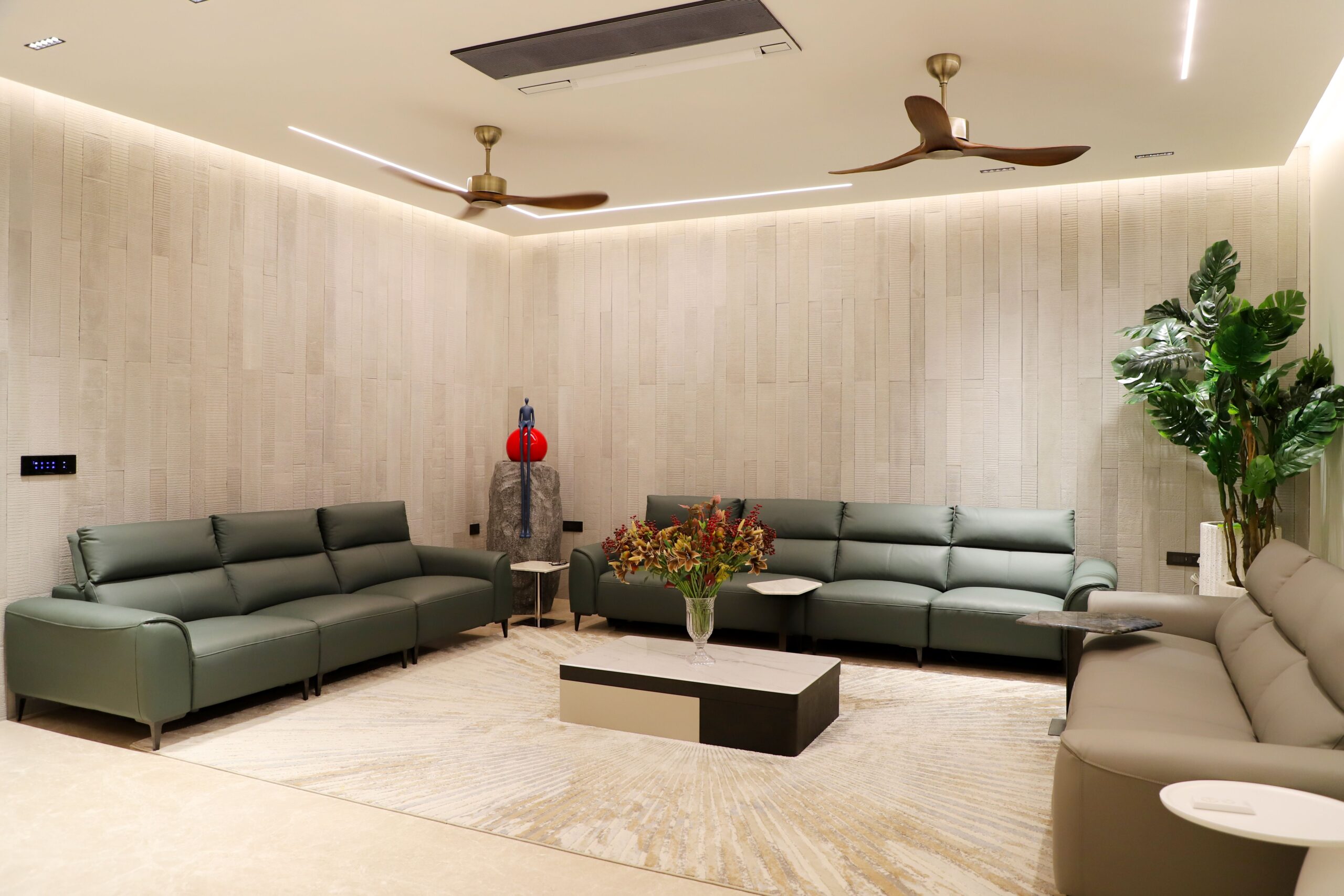
Choosing a ceiling fan involves several considerations to ensure you select the right one for your needs. First, think about the size of the room. Measure the space where you plan to install the fan, as this will help determine the fan size.
I recommend following general guidelines: 42-inch fans for rooms up to 144 square feet, 52-inch for rooms between 144 to 225 square feet, and larger models for even bigger spaces.
Next, consider motor type. As mentioned earlier, I found that DC motor fans consume less energy and run more quietly than their AC counterparts. Lastly, evaluate the fan’s design and features. Look for remote controls, light kits, and an aesthetic that complements your home décor. These elements contribute not just to efficiency but also to your overall satisfaction with the fan.

Common Mistakes When Choosing a Ceiling Fan
Many people overlook the importance of fan size relative to room dimensions. A fan that’s too small won’t circulate air effectively, while an oversized model can create unnecessary wind chill. Ensure the blade span matches your room size: for example, a fan with a 52-inch blade works well in rooms 10×10 to 12×12 feet.
Another common error is neglecting energy ratings. Energy Star certification can save you up to 60% on electricity costs compared to conventional fans. Always verify the energy consumption in watts before making a purchase. What is the best ceiling fan for saving energy can guide you in finding the most efficient models.
Maintenance Tips to Maximize Efficiency
Regular maintenance keeps your ceiling fan running efficiently. Dust can accumulate on the blades, reducing airflow. Cleaning the blades monthly will maintain performance. Use a damp cloth or a microfiber duster for best results.
Also, check the fan’s balance once a year. An unbalanced fan may wobble, causing noise and stress on the motor. If you notice any wobbling, tighten loose screws or use balancing kits available at home improvement stores.
FAQ Section
What is the most energy-efficient ceiling fan?
In my experience, ceiling fans with a DC motor and an Energy Star rating are the most energy-efficient. They save significantly on electricity use while providing excellent airflow.
How much can a ceiling fan save on energy bills?
Ceiling fans can lower your energy costs by 20-30%. By using them to assist with heating and cooling, you can reduce reliance on air conditioning units and heaters.
Do ceiling fans really make a difference?
Yes, ceiling fans not only provide added comfort but also can greatly decrease energy usage by circulating air efficiently in your home.
How do I maintain my ceiling fan to ensure efficiency?
Regularly clean the fan blades to remove dust and debris that can impede airflow. Also, check the motor and electrical connections yearly and lubricate if necessary.