

Indoor ceiling fan blades are generally composed of lighter materials like MDF or plastic, while outdoor blades are designed from robust, weather-resistant materials such as teak or PVC to endure moisture and UV rays. Choosing the correct blade type is essential for maximizing airflow and durability, as using indoor blades outdoors can significantly diminish performance and pose safety risks.
Understanding the differences between indoor and outdoor ceiling fan blades helps homeowners make informed decisions based on where the fan will be installed. Although they may appear similar at first glance, indoor and outdoor ceiling fan blades are designed for completely different environments.
This comprehensive guide explains the differences between indoor ceiling fan blades and outdoor ceiling fan blades, including their materials, durability, performance, maintenance, costs, and how to choose the right option.
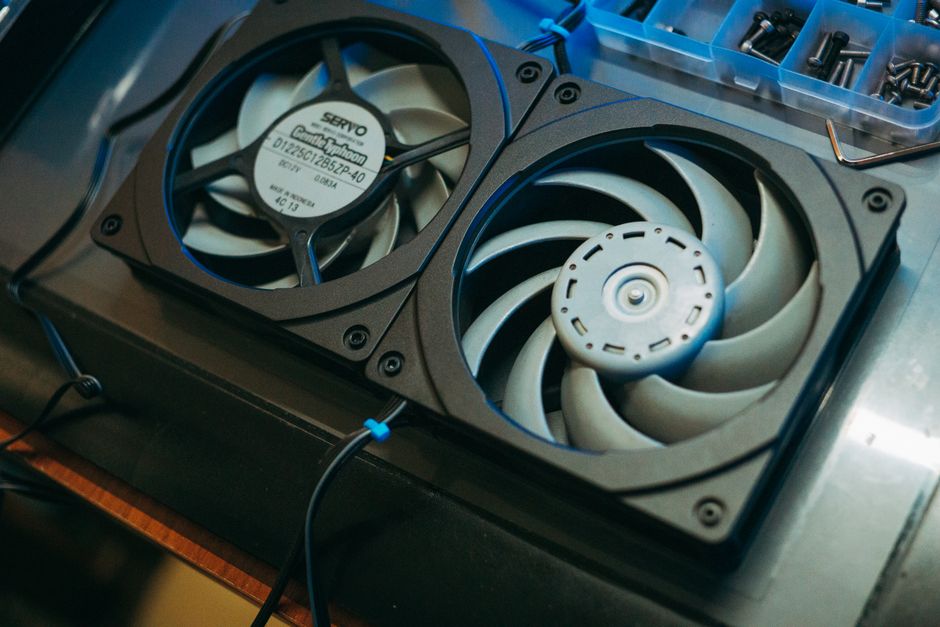
What Are Indoor Ceiling Fan Blades?
Indoor ceiling fan blades are specifically designed for use in enclosed spaces where they are protected from moisture, humidity, rain, and direct sunlight. These blades prioritize aesthetics, quiet operation, and efficient airflow within climate-controlled environments.
Indoor fan blades are commonly found in:
- Living rooms
- Bedrooms
- Dining rooms
- Kitchens
- Offices
- Hallways
- Family rooms
Since indoor environments experience relatively stable temperatures and humidity levels, manufacturers can use materials that emphasize appearance rather than extreme weather resistance.
What Are Outdoor Ceiling Fan Blades?
Outdoor ceiling fan blades are engineered to withstand environmental conditions that indoor blades cannot tolerate. They are made using weather-resistant materials that resist moisture, humidity, temperature fluctuations, UV rays, and corrosion.
Outdoor ceiling fans are ideal for:
- Covered patios
- Porches
- Gazebos
- Pergolas
- Verandas
- Outdoor kitchens
- Poolside seating areas
- Open-air entertainment spaces
Their blades are built for durability while still delivering strong airflow in open environments.
Major Differences Between Indoor and Outdoor Ceiling Fan Blades
1. Material Construction
The biggest difference lies in the materials used.
Indoor Fan Blade Materials
Indoor ceiling fan blades commonly use:
- MDF (Medium-Density Fiberboard)
- Engineered wood
- Solid wood
- Veneered wood
- Decorative laminated wood
These materials provide attractive finishes but are vulnerable to moisture.
Outdoor Fan Blade Materials
Outdoor blades are typically made from:
- ABS plastic
- High-density plastic
- Composite materials
- Marine-grade polymers
- Weather-treated aluminum
- Resin composites
These materials resist:
- Water damage
- Warping
- Cracking
- Mold
- Mildew
- UV degradation
2. Moisture Resistance
Indoor Blades
Indoor blades absorb moisture over time if exposed to humid environments.
Potential problems include:
- Warping
- Swelling
- Peeling finishes
- Cracks
- Imbalanced rotation
This makes them unsuitable for outdoor use.
Outdoor Blades
Outdoor blades are specifically manufactured to repel moisture.
Benefits include:
- No swelling
- No warping
- No rot
- Long-lasting finish
- Consistent balance
They continue performing well even after years of exposure to changing weather.
3. Weather Durability
Indoor blades are never intended for:
- Rain
- Snow
- Direct sunlight
- High humidity
- Temperature fluctuations
Outdoor blades can withstand:
- Heat
- Cold
- Rain
- Coastal humidity
- UV exposure
- Wind
- Seasonal weather changes
Their coatings are specifically designed to protect against environmental damage.
4. Blade Finish
Indoor fans often feature decorative finishes such as:
- Walnut
- Oak
- Cherry
- Maple
- Espresso
- White wood grain
- Matte black wood
These finishes complement interior décor.
Outdoor blades use durable coatings including:
- UV-resistant paint
- Weatherproof coatings
- Powder-coated finishes
- Mold-resistant finishes
The emphasis is on longevity rather than decorative wood appearance.
5. Weight Differences
Indoor wooden blades tend to be slightly heavier.
Outdoor composite blades are often lighter while maintaining structural strength.
The reduced weight can help improve energy efficiency and reduce motor stress.
6. Airflow Performance
Both indoor and outdoor blades move air effectively.
However, outdoor fans are generally designed with:
- Larger blade spans
- Higher airflow ratings
- More aggressive blade pitch
This helps compensate for open-air environments where air dissipates quickly.
Indoor fans focus on circulating air efficiently within enclosed spaces.
7. Noise Levels
Indoor fans prioritize quiet operation.
Wood blades often absorb vibration better than plastic blades, resulting in quieter performance.
Modern outdoor fans are also relatively quiet but may generate slightly more noise because they are designed for stronger airflow.
8. Maintenance Requirements
Indoor Blades
Maintenance is simple:
- Dust regularly
- Wipe with a dry microfiber cloth
- Occasionally use wood-safe cleaner
Indoor blades rarely require extensive cleaning.
Outdoor Blades
Outdoor blades collect:
- Dirt
- Pollen
- Dust
- Insects
- Moisture residue
- Bird droppings
Regular cleaning prevents buildup and maintains optimal performance.
Plastic blades are easier to wash than wooden blades.
9. Lifespan
Indoor blade lifespan depends on indoor conditions.
Typical lifespan:
- 10–20 years
Outdoor blades generally last:
- 10–15 years
High-quality weather-resistant materials can often exceed this with proper maintenance.
10. Appearance
Indoor ceiling fan blades offer greater decorative flexibility.
Available styles include:
- Rustic
- Traditional
- Farmhouse
- Modern
- Industrial
- Scandinavian
- Contemporary
Outdoor blades focus more on function than luxury appearance.
However, many premium outdoor fans now closely resemble indoor decorative models.
Damp-Rated vs Wet-Rated Outdoor Blades
Outdoor ceiling fans are divided into two categories.
Damp-Rated Fans
Suitable for:
- Covered patios
- Screened porches
- Covered balconies
Protected from direct rainfall but exposed to humidity.
Wet-Rated Fans
Designed for:
- Open patios
- Gazebos
- Pool areas
- Outdoor decks
- Locations exposed to rain
Wet-rated blades resist continuous exposure to water.
Blade Size Comparison
Indoor fans typically use blade spans of:
- 42 inches
- 44 inches
- 48 inches
- 52 inches
- 56 inches
Outdoor fans often feature:
- 52 inches
- 60 inches
- 65 inches
- 72 inches
Larger blades help move more air across open spaces.
Blade Pitch Differences
Blade pitch refers to the angle of the blades.
Indoor fans generally use:
- 12–15 degrees
Outdoor fans often use:
- 13–16 degrees
A steeper pitch produces greater airflow.
Energy Efficiency
Both indoor and outdoor ceiling fans can be highly energy efficient.
Outdoor fans sometimes require more powerful motors due to larger blade spans.
However, modern DC motor fans significantly reduce electricity consumption.
Can Indoor Ceiling Fan Blades Be Used Outdoors?
No.
Indoor blades should never be installed outdoors because they are vulnerable to:
- Moisture damage
- Warping
- Mold
- Rot
- Structural weakening
Even covered patios can experience enough humidity to damage indoor blades.
Can Outdoor Ceiling Fan Blades Be Used Indoors?
Yes.
Outdoor blades can safely be installed indoors.
Benefits include:
- Higher durability
- Easier cleaning
- Moisture resistance
- Long lifespan
The only trade-off may be fewer decorative finish options.
Cost Comparison
Prices vary depending on quality and design.
Indoor Blade Fans
Typical price range:
- Budget: $50–$100
- Mid-range: $100–$250
- Premium: $250–$600+
Outdoor Blade Fans
Typical price range:
- Budget: $80–$150
- Mid-range: $150–$350
- Premium: $350–$800+
Outdoor fans cost more because of their weather-resistant construction.
Pros and Cons
Indoor Ceiling Fan Blades
Pros
- Attractive finishes
- Quiet operation
- Wide design variety
- Lower cost
- Excellent for enclosed rooms
Cons
- Not moisture resistant
- Can warp
- Vulnerable to humidity
- Cannot be used outdoors
Outdoor Ceiling Fan Blades
Pros
- Weather resistant
- Moisture resistant
- UV resistant
- Durable construction
- Easy to clean
- Long-lasting performance
Cons
- Higher purchase cost
- Fewer decorative wood finishes
- Slightly heavier-duty appearance in some models
Choosing the Right Ceiling Fan Blades
Consider the installation location first.
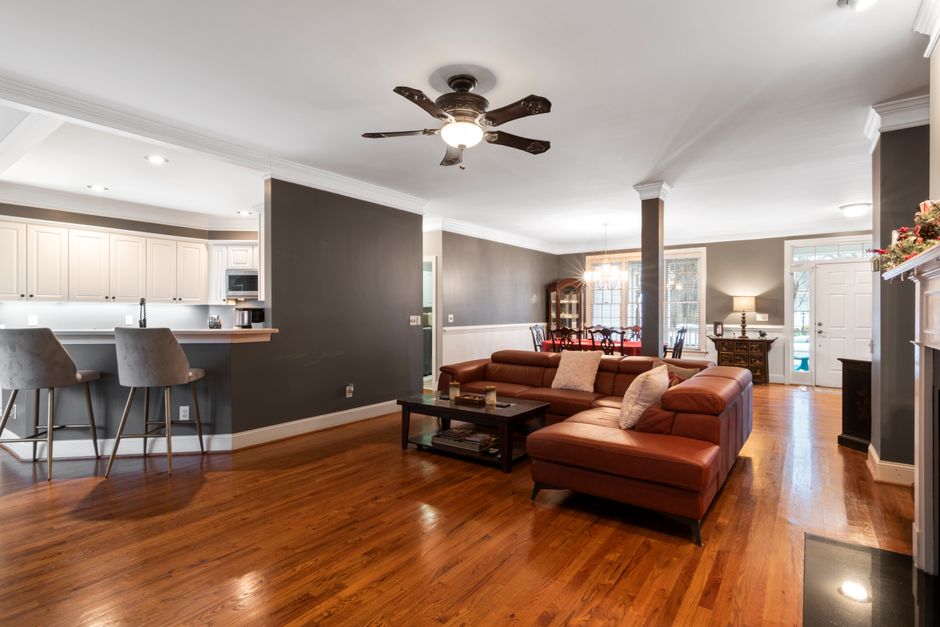
Choose indoor blades if the fan will be installed in:
- Bedrooms
- Living rooms
- Offices
- Dining rooms
- Climate-controlled spaces
Choose outdoor blades if the fan will be installed in:
- Covered patios
- Open porches
- Outdoor kitchens
- Gazebos
- Poolside areas
- Humid environments
When in doubt, outdoor blades are generally the safer choice because they can handle moisture better.
Maintenance Tips
To maximize blade lifespan:
- Dust blades every few weeks.
- Tighten blade screws periodically.
- Clean outdoor blades with mild soap and water.
- Avoid abrasive cleaners.
- Inspect blades for cracks or damage annually.
- Keep blades balanced for smooth operation.
- Remove heavy debris after storms.
- Follow the manufacturer’s maintenance instructions.
Regular maintenance improves airflow, reduces motor strain, and extends the life of the fan.
Frequently Asked Questions
Do outdoor ceiling fan blades move more air?
Generally, yes. Outdoor fans are often designed with larger blade spans and optimized blade pitches to circulate air effectively in open spaces.
Are plastic fan blades better than wood?
It depends on the application. Plastic blades offer superior moisture resistance and durability, while wood blades provide a premium appearance and often quieter operation indoors.
Can humidity damage indoor fan blades?
Yes. Excessive humidity can cause wooden or MDF blades to swell, warp, or peel over time.
Are outdoor fan blades more expensive?
Yes. They usually cost more because they are made from weather-resistant materials and protective finishes.
Do outdoor blades require more maintenance?
They require more frequent cleaning due to exposure to dust, pollen, insects, and weather, but they are generally easier to wash than wooden indoor blades.
Conclusion
Indoor and outdoor ceiling fan blades may look similar, but they are designed with different environments in mind. Indoor blades emphasize style, quiet operation, and decorative finishes, making them ideal for enclosed, climate-controlled spaces. Outdoor blades, on the other hand, are built to withstand moisture, sunlight, humidity, and changing weather conditions, ensuring reliable performance in patios, porches, gazebos, and other outdoor areas.
Choosing the correct type of blade is essential for safety, efficiency, and long-term durability. Installing indoor blades outdoors can lead to warping, reduced performance, and premature failure, while outdoor blades offer the versatility to perform well both outdoors and indoors.
By matching the blade type to the installation environment and following regular maintenance practices, you can enjoy years of efficient airflow, improved comfort, and dependable operation from your ceiling fan.