

Bladeless ceiling fans have become increasingly popular, offering a range of pros over traditional ceiling fans. If you're considering installing a bladeless ceiling fan in your house or office, you'll want to know the installation cost. In this article, we'll look closer at what to expect when it comes to bladeless ceiling fan installation cost and the factors that can affect it.
What is a Bladeless Ceiling Fan?
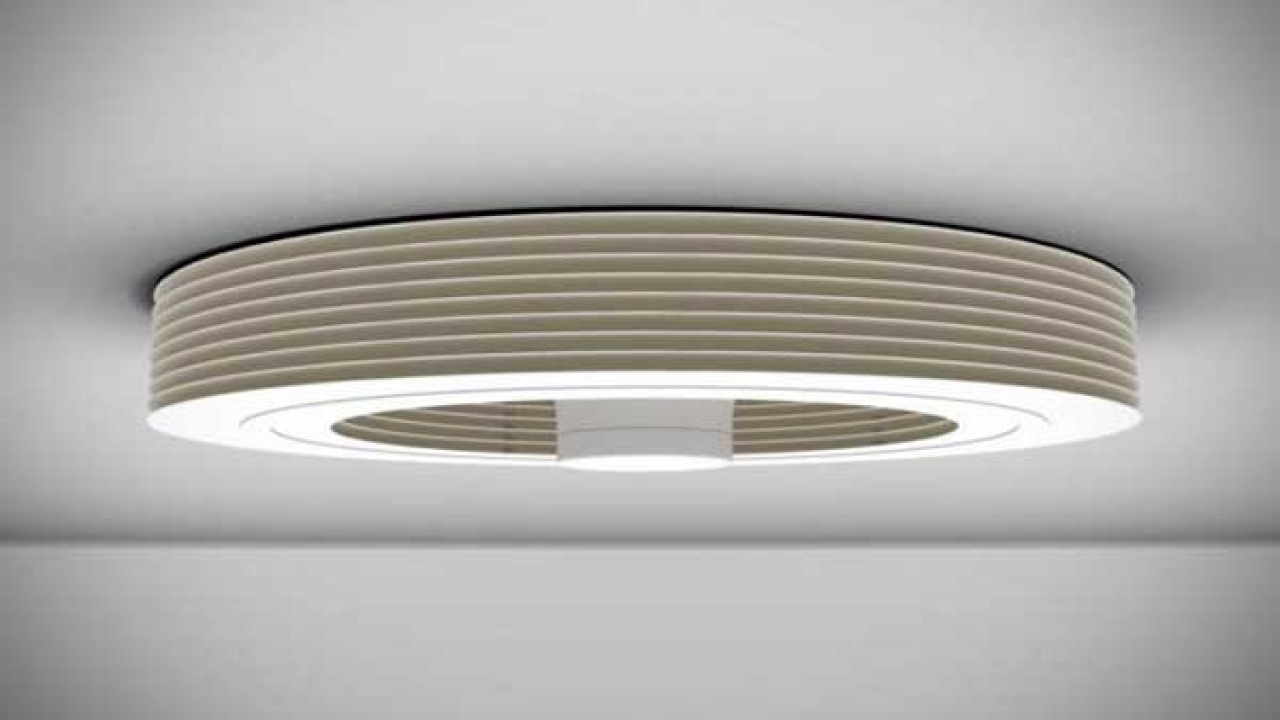
A bladeless ceiling fan uses a motor to draw air through a ring that creates a vortex, producing a smooth and steady flow of air. Unlike traditional ceiling fans, bladeless fans are quieter and safer, with no visible blades that can cause injury or damage.
Benefits of a Bladeless Ceiling Fan
Some of the main advantages of a bladeless ceiling fan include:
- Quieter operation
- Safer for children and pets
- More energy-efficient
- Sleek and modern design
Bladeless Ceiling Fan Installation Cost: What to Expect
1. Factors Affecting Installation Cost
The cost of installing a bladeless ceiling fan can depend on a range of factors following, including:
- Size and type of fan
- Location of installation
- Ceiling height
- Electrical wiring and connections
- Additional features, such as lighting or remote control
2. DIY Installation vs. Professional Installation
While it's possible to install a bladeless ceiling fan yourself, hiring a professional installer is generally recommended. It is because bladeless fans can be more complicated to install than traditional fans, requiring expertise in electrical wiring and connections.
3. How to Choose the Right Bladeless Ceiling Fan Installer
When choosing a bladeless ceiling fan installer, there are several key factors to consider:
- Look for Experience: Choose an installer with experience installing bladeless ceiling fans. Ask for references and study their reviews online to notice what others have said about their work.
- Check for Licenses and Insurance: Verify that the installer is licensed and insured to do the job. It saves you in case of any damage or accidents that occur during the installation method.
- Ask for Quotes: Get quotes from different installers and compare them. Ensure you notice what is involved in the quote and ask any queries you may have before making a decision.
- Check for Warranties: Ask if the installer offers any warranties on their work. It can relax you, knowing that if anything goes wrong, you can fix it without additional costs.
- Look for Professionalism: Choose an installer who is professional and reliable. It should communicate well with you, arrive on time, and complete the job promptly.
- Get Recommendations: Ask friends, family, and neighbors about good bladeless ceiling fan installers. Word-of-mouth recommendations can be precious.
Pros
- Installation is generally simpler due to lightweight design and fewer moving parts.
- No need for blade balancing or alignment, reducing labor time.
- Often includes integrated lighting or smart features, reducing the need for separate installations.
- Some models are plug-and-play, minimizing professional installation costs.
Cons
- Initial cost of bladeless fans is typically higher than traditional fans.
- Ceiling modifications might be needed for optimal airflow or design fit.
Common Installation Mistakes to Avoid
When installing a bladeless ceiling fan, some common pitfalls can lead to poor performance. One mistake is overlooking the correct mounting height. Ideally, the fan blades should be 8 to 9 feet above the floor for optimal airflow. Ensure you also check for any low-profile considerations if your ceiling is lower than standard.
Another frequent error is not considering the electrical capacity of your home. If your circuit cannot handle the additional load, it may lead to malfunction or even electrical hazards. To prevent this, consult an electrician to evaluate your existing wiring before installation.
Who Each Option Suits Best
Choosing a bladeless ceiling fan suits a variety of lifestyles. If you have kids or pets, the lack of protruding blades reduces risks of accidents and injuries. These fans are also ideal for modern decor, complementing sleek aesthetics.
If you value energy efficiency, consider how bladeless fans often consume less power and distribute air more evenly. For those in humid climates, they can be more effective than traditional fans. Conversely, if you have a tight budget, weighing the benefits against a more affordable traditional fan is advisable.
Conclusion
If you're considering installing a bladeless ceiling fan, it's essential to understand the installation cost and factors that can affect it. While DIY installation is an option, hiring a professional installer can ensure a safe and proper installation. When choosing an installer, consider experience, reputation, and pricing factors.
With the benefits of a bladeless ceiling fan, such as energy efficiency and safety, the installation cost may be worth the investment.